Genomic Screening Expands Detection of Treatable Conditions in Newborns
Posted on 09 Oct 2026
Conventional newborn screening can miss conditions that lack biochemical biomarkers or present atypically. Initial hearing screens may also fail to detect hearing loss that is later identified through genomic screening. These limitations create challenges for programs seeking to recognize treatable conditions early in life. To help close these screening gaps, new findings from genomic newborn screening studies show how sequencing may complement existing approaches.
GeneDx (Stamford, CT, USA) presented findings from the Genomic Uniform-screening Against Rare Diseases In All Newborns (GUARDIAN) study and the BRIDGES-NBS program at the International Consortium on Newborn Sequencing meeting. The company provides sequencing and interpretation for both programs. Genomic screening can identify serious, treatable conditions without traditional screening biomarkers, while conventional screening can detect some cases missed by genomic testing.
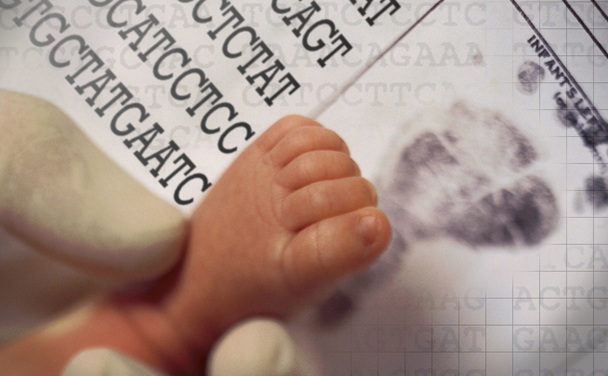
GUARDIAN has enrolled 30,000 newborns, with 72.3% of approached families choosing to participate. Newborns of non-European genetic ancestry account for 76% of participants. Excluding glucose-6-phosphate dehydrogenase deficiency (G6PD), screen-positive rates were relatively consistent across genetic ancestries. A GUARDIAN presentation also examines screen-positive rates and variant findings among more than 19,000 newborns.
GUARDIAN identified hearing loss in infants who had passed their initial newborn hearing screen. It also detected Long QT syndrome, a cardiac conduction disorder associated with life-threatening arrhythmias. Eight infants diagnosed through the study have begun beta-blocker therapy, and all are avoiding medications known to prolong QT intervals. Cascade testing identified risk in relatives, leading six parents and one older sibling to begin preventive beta-blocker treatment.
BRIDGES-NBS is a nationwide initiative assessing recruitment, processing, and disclosure within existing state newborn screening programs. Enrollment is scheduled to begin in October 2026 using a panel of 746 genes for 777 genetic conditions treatable in the first year of life. The program is planned to expand across eight states and territories.
“Genomic newborn screening shows what becomes possible when we move healthcare upstream, identifying risk and acting before a child becomes sick. These findings demonstrate the potential to bring genomics into screening at scale, across diverse populations and alongside existing public health systems. This is how we move from reacting to disease to anticipating it, intervening earlier and changing the trajectory of a child’s life,” said Linda Genen, MD, MPH, Chief Medical Officer at GeneDx.
Related Links
GeneDx