


Genomic Profiling Predicts Relapse Risk by Subtype in Pediatric Leukemia
Posted on 05 Nov 2026
B-cell acute lymphoblastic leukemia (B-ALL) is the most common childhood cancer, with more than 90% of patients surviving with modern treatments. Outcomes are worse when the disease returns, however, making early assessment of relapse risk important. Although genetic subtyping already helps guide therapy, predicting recurrence at diagnosis remains difficult. New findings may help clarify this risk by identifying subtype-specific genetic changes in the original tumor that could explain why some cases recur.
St. Jude Children’s Research Hospital scientists, working with Seattle Children’s Hospital and the Children’s Oncology Group, evaluated genomic alterations in pediatric B-ALL, focusing on DNA changes already present at diagnosis. By comparing diagnostic and relapsed leukemia samples, they identified mutations associated with relapse risk within specific B-ALL subtypes.
The study analyzed paired diagnosis and relapse DNA samples from 183 pediatric B-ALL cases. Reported as the largest study of its kind, it enabled subtype-level analysis and showed that a mutation’s significance depends on the leukemia’s broader genetic context. Relapse-associated mutations were subtype specific rather than universally linked to increased risk across all subtypes.
This relationship was evident in the ETV6::RUNX1 subtype, which generally carries a good prognosis. Patients whose fusion joined exon 5 of ETV6 with exon 4 of RUNX1 had a significantly higher relapse risk than those whose fusion joined exon 5 of ETV6 with exon 3 of RUNX1, the dominant fusion transcript in this subtype. Patients with the higher-risk fusion also relapsed sooner.
The genomic comparisons also showed that about 3% of cases classified clinically as relapses were biologically unrelated second cancers rather than returns of the original leukemia. These cases sometimes appeared to be driven by genetic predisposition or other factors. The findings were published in Blood under the title “Identifying novel genomic alterations in relapsed childhood B-ALL: a report from the Children’s Oncology Group.”
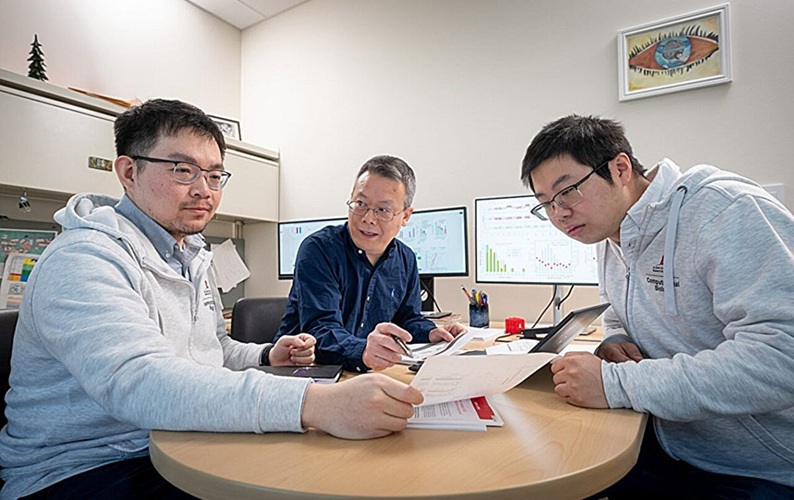
“We verified that some tumors are born more resistant to conventional therapy. By identifying the resistance mutations that are already present in the original tumor, we may also have found a better way to stratify patients into higher-intensity treatments to prevent those relapses from ever occurring,” said Xiaotu Ma, Ph.D., corresponding author, St. Jude Department of Computational Biology.
“Our findings open the possibility of finding clinically actionable genomic insights that can improve and protect patient well-being from initial diagnosis. In the future, that may help clinicians prevent relapse before it starts,” added Ma.
Related Links
St. Jude Children’s Research Hospital
Seattle Children’s Hospital
Children’s Oncology Group