Genomic Assay Predicts Recurrence Risk in Noninvasive Breast Cancer
Posted on 16 Jun 2026
Ductal carcinoma in situ (DCIS) is a common noninvasive breast malignancy in which treatment decisions hinge on accurately estimating recurrence risk. Approximately 60,000 women are diagnosed each year in the United States, underscoring the need for tools that inform radiation therapy decisions after breast-conserving surgery. A genomic test now provides individualized recurrence risk assessment and helps predict radiation therapy benefit to support more personalized care.
PreludeDx’s DCISionRT is a validated genomic test designed for women diagnosed with DCIS. The company reported that more than 3,000 breast cancer physicians have ordered the test for over 45,000 patients, with utilization expanding across academic and community centers nationwide. Since its clinical launch in 2017, use of DCISionRT has risen steadily, and currently one in three patients undergoing breast-conserving surgery in the United States receive the test to support shared decision-making.
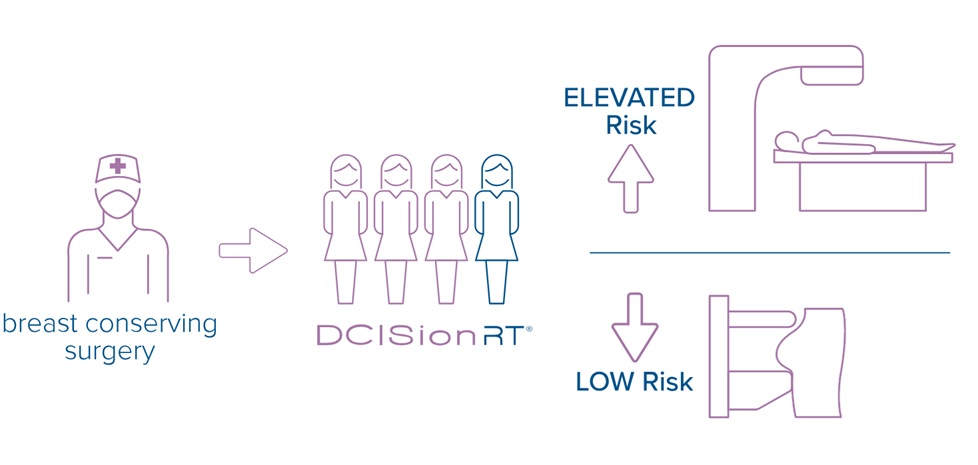
DCISionRT is a clinically validated biologic risk signature that integrates molecular biomarkers with clinicopathologic factors. By combining these data, the assay provides individualized recurrence risk assessment and predicts the likelihood of radiation therapy benefit. The test is intended to inform treatment planning following breast-conserving surgery and to facilitate patient–physician discussions.
Clinical evidence supporting DCISionRT includes the large multicenter PREDICT study of 2,007 patients treated at 63 academic and community centers. In that study, DCISionRT results changed radiation therapy recommendations in 38% of cases and were the most influential factor driving physician treatment recommendations. Additional evidence was recently published demonstrating that the test provides significant information beyond clinicopathologic factors, nomograms, and criteria.
Recent milestones for the assay include U.S. Food and Drug Administration (FDA) Breakthrough Device designation and Centers for Medicare & Medicaid Services Advanced Diagnostic Laboratory Test status. The company notes that these recognitions reinforce the test’s role in personalizing treatment decisions for women with DCIS, while adoption trends point to its increasing use in routine treatment planning discussions.
“Over the past several years, we have seen growing recognition that women diagnosed with DCIS benefit from individualized treatment strategies,” said Dan Forche, President and CEO of PreludeDx. “DCISionRT annual patient utilization will continue to increase in 2026, along with the number of physicians ordering the test. More than one in three newly diagnosed DCIS patients treated with breast conserving surgery are currently receiving DCISionRT testing. The significant growth in both physician adoption and test utilization reflects increasing confidence in the clinical value of biologically informed, personalized treatment decisions.”
Related Links
PreludeDx