Fluid Biomarker Improves Diagnosis and Monitoring of Primary CNS Lymphoma
Posted on 26 May 2026
Primary central nervous system lymphoma (PCNSL) is a rare malignancy of the brain, spinal cord, and eyes with delayed diagnosis and poor outcomes. Current fluid-based testing using interleukin measurements reaches only about 80–90% accuracy, while primary vitreoretinal lymphoma (PVRL) can closely resemble uveitis. As a result, patients may undergo multiple biopsies and experience diagnostic delays of up to two years. These challenges highlight the need for earlier, less invasive detection tools that can support both clinicians and laboratories. A new study suggests that a specific cellular receptor could improve diagnosis and treatment monitoring.
Researchers at Fudan University (Shanghai, China) evaluated hepatitis A virus cellular receptor 1 (HAVCR1) as a fluid-based biomarker for PCNSL and PVRL. Published in Clinical Chemistry, the study proposes using HAVCR1 in ocular fluid and cerebrospinal fluid to aid diagnosis and follow-up. The approach is intended to address limitations of existing interleukin (IL) assays, which can be affected by inflammation. Because PVRL progresses to intracranial PCNSL in 60–90% of cases, timely and accurate identification is especially important.
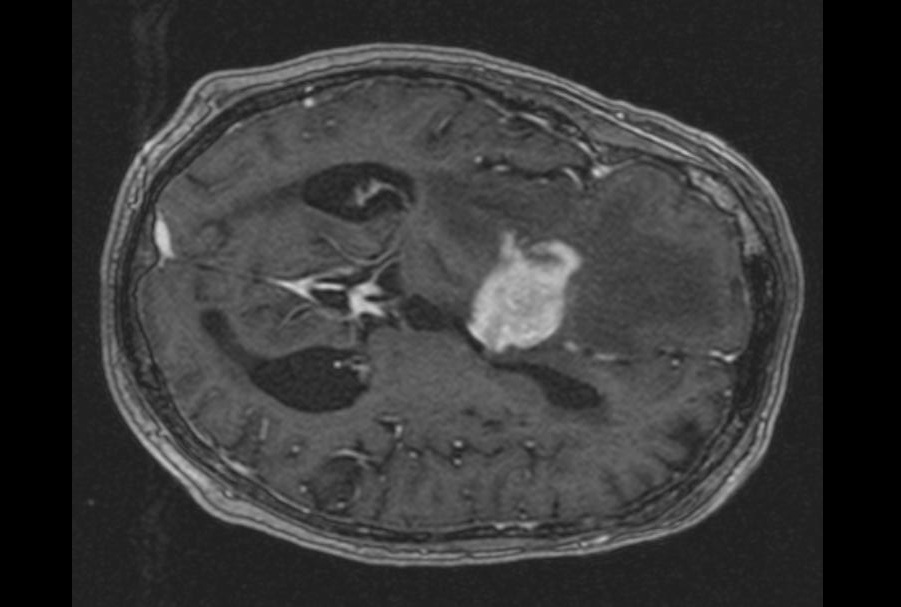
HAVCR1 is a tumor-derived protein that the investigators found to be elevated in ocular fluid and cerebrospinal fluid from affected patients. Additional analyses indicated that HAVCR1 is produced predominantly by the malignant cells, supporting its specificity for lymphoma. The marker’s concentration declined after successful therapy and remained high when disease persisted, indicating potential utility for monitoring response.
Using advanced protein-screening technology, the team analyzed samples from 199 individuals with PVRL or PCNSL and 179 comparators with inflammatory or noncancerous conditions or no disease. The discovery approach sought proteins that consistently differed between cases and non-cases across both ocular and central nervous system presentations. This design enabled evaluation of the marker’s performance in eye fluid and cerebrospinal fluid matrices.
In PVRL, HAVCR1 achieved approximately 92–100% diagnostic accuracy in ocular fluid. In PCNSL, accuracy in cerebrospinal fluid reached 97–99%. HAVCR1 also distinguished lymphoma from uveitis more effectively than commonly used markers such as IL‑10 and IL‑6, which can yield ambiguous results when inflammation is present.
According to the authors, the findings suggest that HAVCR1 could enable earlier diagnosis, reduce the need for multiple invasive biopsies, and improve longitudinal assessment, including treatment monitoring and relapse detection, in PCNSL and PVRL. The study was conducted at Fudan University and was published online in Clinical Chemistry on May 21, 2026. Additional work is needed to confirm performance and reproducibility across laboratories.