Existing Hospital Analyzers Can Identify Fake Liquid Medical Products
Posted on 21 Feb 2026
Counterfeit and substandard medicines remain a serious global health threat, with World Health Organization estimates suggesting that 10.5% of medicines in low- and middle-income countries are either fake or below standard. Such products can lead to ineffective treatment, harmful side effects, and avoidable deaths. A new study has now demonstrated that widely available hospital analyzers can be used to identify falsified liquid medical products, including vaccines and insulin, offering a new tool to protect patients.
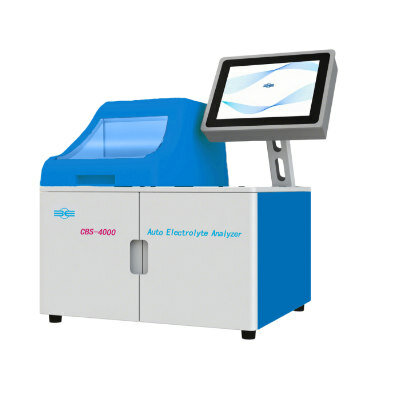
The study, led by the University of Oxford’s Centre for Tropical Medicine and Global Health (Oxford, UK), in collaboration with the University of East London (London, UK), shows that standard hospital laboratory analyzers can accurately distinguish genuine liquid medical products from counterfeit versions. Rather than requiring specialized forensic equipment, the approach repurposes instruments already present in many hospitals worldwide. The method is intended as a low-cost screening tool that can flag suspicious samples for further confirmatory testing when necessary.
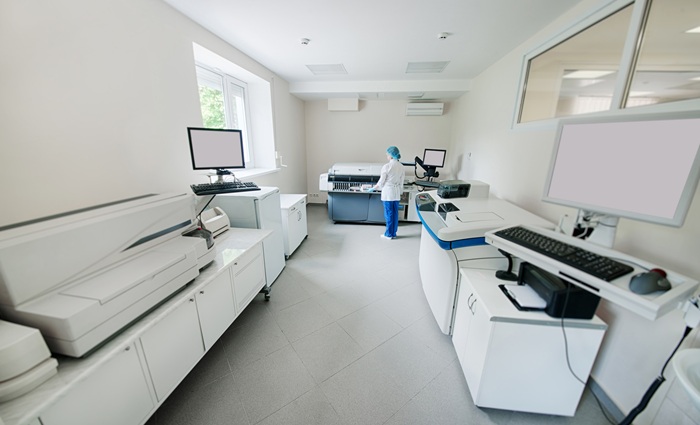
The research team demonstrated for the first time that routine hospital analyzers can reliably differentiate authentic liquid medicines from falsified products. The system complements established specialist techniques by serving as an early detection step before more detailed laboratory analysis is performed. By enabling rapid screening, the approach could help intercept counterfeit vaccines and insulin before they reach patients.
Because these analyzers are widely available in healthcare facilities globally, the method offers a scalable and accessible solution for strengthening medicine quality surveillance. The tool could support hospitals, regulatory agencies and public health systems in identifying potentially dangerous products earlier and taking timely action. Researchers highlight the promise of this strategy as part of broader efforts to safeguard medicine supply chains and improve global health security.
“Ensuring the integrity of medicines and vaccines is fundamental to global public health. This study shows how tools already present in hospitals can be rapidly mobilized to protect patients by flagging potentially dangerous falsified products early,” said Dr. Hamid Merchant, Head of the Department of Bioscience at the University of East London. “Due to the wide-reaching availability of these instruments across hospitals around the world, it offers an accessible screening tool to intercept the likes of counterfeit vaccines and liquid medicines, before they harm patients.”
Related Links:
Centre for Tropical Medicine and Global Health
University of East London



.jpg)