Engineered Yeast Cells Enable Rapid Testing of Cancer Immunotherapy
Posted on 06 Feb 2026
Developing new cancer immunotherapies is a slow, costly, and high-risk process, particularly for CAR T cell treatments that must precisely recognize cancer-specific antigens. Small differences in tumor antigens can determine whether a therapy succeeds or fails, making preclinical testing complex and unpredictable. This challenge is even greater for solid tumors, where CAR T therapies have shown limited success so far. A newly developed biotechnological platform now offers a way to dramatically accelerate and simplify how these therapies are tested and optimized.
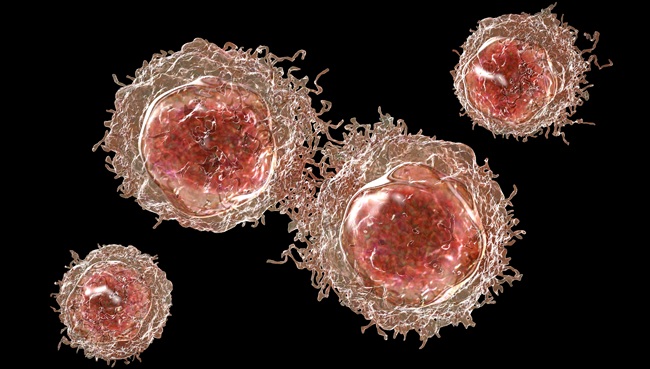
An international research team, led by the Technical University of Denmark (Lyngby, Denmark), has developed a yeast surface display platform in which genetically modified yeast cells are engineered to express human cancer antigens on their surface. These yeast cells act as functional stand-ins for cancer cells, allowing researchers to test how a patient’s own CAR T cells recognize and respond to specific tumor antigens.
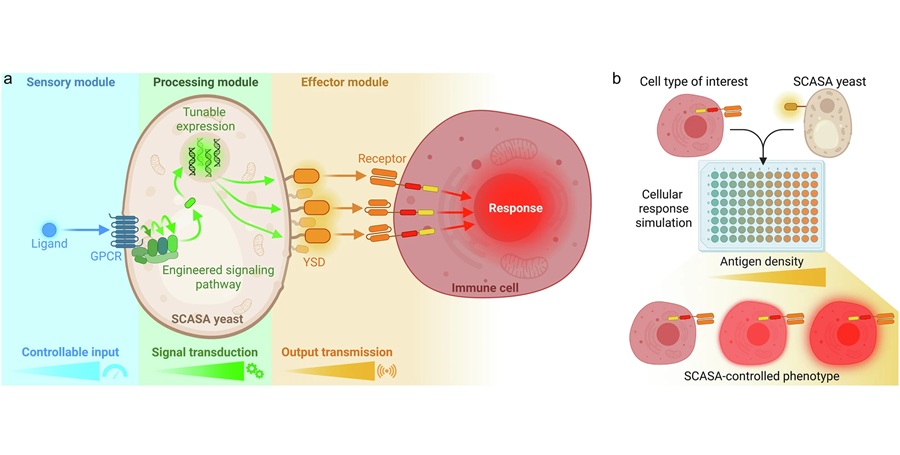
CAR T cell therapy involves extracting a patient’s T cells, genetically reprogramming them to carry chimeric antigen receptors, and reinfusing them to seek and destroy cancer cells. The new platform makes this development process more predictable by enabling systematic testing of antigen recognition. Because yeast grows rapidly and is easy to engineer, researchers can insert different cancer antigens into yeast cells within days and expose them to CAR T cells to measure activation and immune response.
Using this approach, the researchers showed that engineered yeast cells can activate CAR T cells almost as effectively as traditional human cancer cell lines, and in some cases even more robustly. The platform allows large-scale screening of CAR T variants at a fraction of the cost and time required by existing methods. The findings, published in Nature Communications, demonstrate that immunotherapy testing timelines can be reduced from months to days or weeks.
In the near term, the platform will help researchers rapidly identify the most promising CAR T designs before moving into costly animal studies or clinical trials. Over time, it could significantly expand the use of CAR T therapies beyond blood cancers by helping uncover effective antigen targets in solid tumors. The researchers also plan to use the system to study how cancer cells evade immune attack, supporting the design of more durable and precise immunotherapies.
“The combination of precision, speed, and extremely low costs means that we can now test new immunotherapies on a scale and at a speed that simply wasn’t possible before,” said Professor Sine Reker Hadrup, senior investigator on the study. “I believe this platform can help deliver safer and more targeted cancer treatments to patients.”
Related Links:
Technical University of Denmark