Electrochemical Biosensor Rapidly Detects Cerebrospinal Fluid Leaks
Posted on 14 Oct 2026
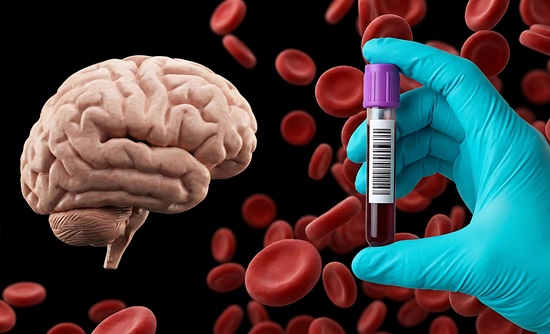
Cerebrospinal fluid surrounds the brain and spinal cord and helps protect them from physical impact. After severe head trauma or brain surgery, it can leak through skull defects and drain from the nose or ears. Diagnosis can be difficult because a key biomarker closely resembles ordinary blood transferrin. To improve detection, new findings demonstrate a biosensor approach designed to rapidly distinguish these subtle molecular differences.
Sungkyunkwan University (SKKU; Seoul, South Korea), in collaboration with Samsung Medical Center, has developed a highly sensitive electrochemical biosensor for diagnosing cerebrospinal fluid (CSF) leaks. The sensor is designed to detect β₂-transferrin, a CSF-associated form of transferrin that lacks specific terminal sugars known as sialic acids. The platform uses enzymes to identify differences in sugars attached to protein surfaces and converts those differences into measurable electrical signals.
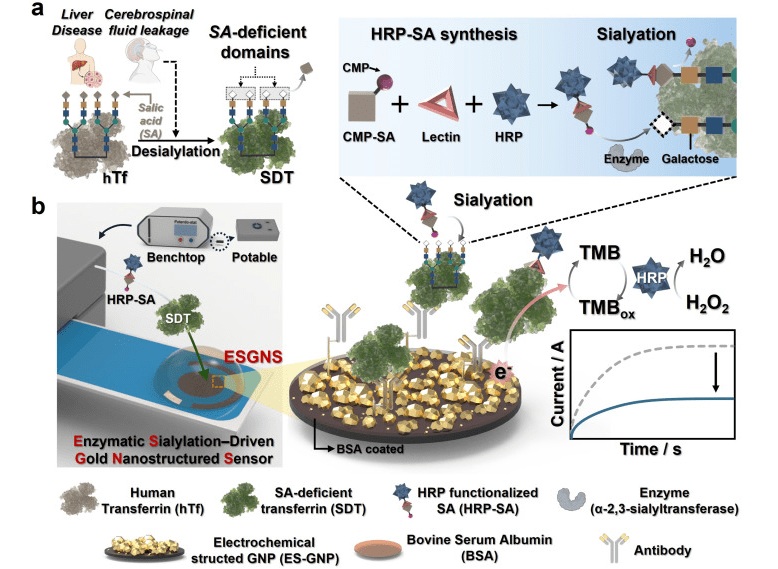
The technology, referred to as ESGNS, focuses on vacant sites left when sialic acids are absent rather than on the overall protein structure. It uses α-2,3-sialyltransferase to selectively recognize exposed sites and attach new sugar molecules, generating a detectable electrochemical signal. In normal proteins, those sites are already occupied, so the enzyme reaction does not occur in the same way.
The sensor incorporates gold nanostructured electrodes to amplify weak signals in complex biological environments such as blood and bodily fluids. It detected the target substance at concentrations as low as 0.135 μg/mL. Tests using actual patient CSF samples showed strong correlation with conventional precision analytical methods, with an R² value of 0.912, while reducing analysis time to within 95 minutes.
The sensor was also integrated with a compact, palm-sized portable reader for potential point-of-care use at the bedside. The work was published in Chemical Engineering Journal. The collaborating institutions were Sungkyunkwan University and Samsung Medical Center.
“The key achievement of this study is the selective identification of subtle differences in sugar structures on protein surfaces through enzymatic reactions and the precise conversion of those differences into electrical signals. Following additional clinical validation, we aim to develop this technology into a rapid diagnostic device for emergency settings and further expand it into a diagnostic platform for a wide range of intractable diseases associated with changes in protein glycosylation,” said Professor Jinsung Park of the Department of Biomechatronic Engineering at Sungkyunkwan University.
Related Links
Sungkyunkwan University