






Mortality Rate Higher in Trauma Patients
By LabMedica International staff writers
Posted on 30 Mar 2011
A new study reports that after admission for trauma, adults experienced almost triple the cumulative mortality rate during the following three years, when compared to the general population. Posted on 30 Mar 2011
Researchers at the University of Washington (Seattle, USA) conducted a retrospective cohort study of 124,421 injured adult patients from January 1995 to December 2008; patient data were obtained from the Washington State Trauma Registry, linked to death certificate data; of the total trauma patients, 7,243 died before hospital discharge, and 21,045 died following hospital discharge. The researchers used Kaplan-Meier and Cox proportional hazards models for data analysis
The results showed that cumulative mortality postinjury was 16% at three years, compared with the expected population cumulative mortality of 5.9%. In-hospital mortality improved during the 14-year study period from 8% to 4.9%, whereas long-term cumulative mortality increased from 4.7% to 7.4%. After adjustment for confounders, higher mortality rates were associated with discharge to a skilled nursing facility, regardless of patient age; adjusted hazard ratio leveled off at 2.02 for patients aged 46 to 55 years, dropping to 1.38 for patients older than 80 years. Other significant predictors of mortality after discharge included head injury score, injury severity score, mechanism of injury being a fall, and having Medicare or other government insurance. The study was published in the March 9, 2011, issue of the Journal of the American Medical Association (JAMA).
"Despite increases in federal regulations intended to improve skilled nursing facility care, there has been insufficient impact on quality or public reputation. Further investigation is needed to determine if more health clinician oversight, funding, or rehabilitation therapy is needed to improve the care of the patients at skilled nursing facilities following discharge for injury,” concluded lead author Giana Davidson, MD, MPH, and colleagues at the UW Harborview Injury Prevention and Research Center.
Related Links:
University of Washington




Platinum Member

Automated Coagulation Analyzer
Hemolumi H6
Gold Member

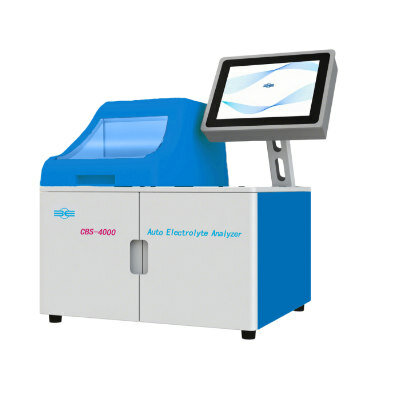
Electrolyte Analyzer
CBS-4000 (CBS-400)


Chromogenic Culture System
InTray™ COLOREX™ ECC
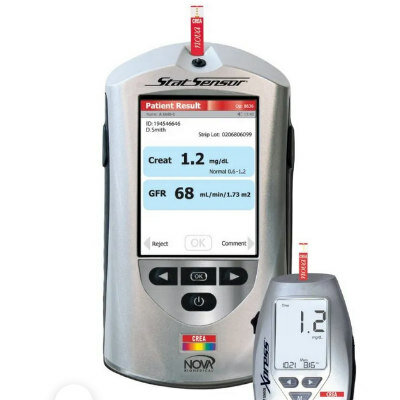

Creatinine/eGFR Meter
StatSensor® Creatinine/eGFR Meter