Donor-Derived DNA Testing May Reduce Biopsies in Kidney Transplant Monitoring
Posted on 29 Oct 2026
Kidney transplant recipients require ongoing monitoring for rejection and graft injury, but biopsy-based assessment can be complicated by invasive surveillance procedures and ambiguous findings. These limitations can make treatment decisions more difficult. New clinical data now link a donor-derived cell-free DNA diagnostic approach with adverse graft outcomes while also showing potential to reduce the need for biopsy in kidney transplant monitoring.
CareDx (Brisbane, CA, USA) presented results for AlloSure Kidney donor-derived cell-free DNA (dd-cfDNA) at the American Society of Nephrology (ASN) Kidney Week 2026, held October 22–25 in Denver. The data address challenges including the significance of borderline biopsy findings, reliance on invasive surveillance biopsies, and rejection prediction as diagnostic criteria evolve. AlloSure Plus was also evaluated as a model that incorporates clinical parameters in addition to AlloSure results.
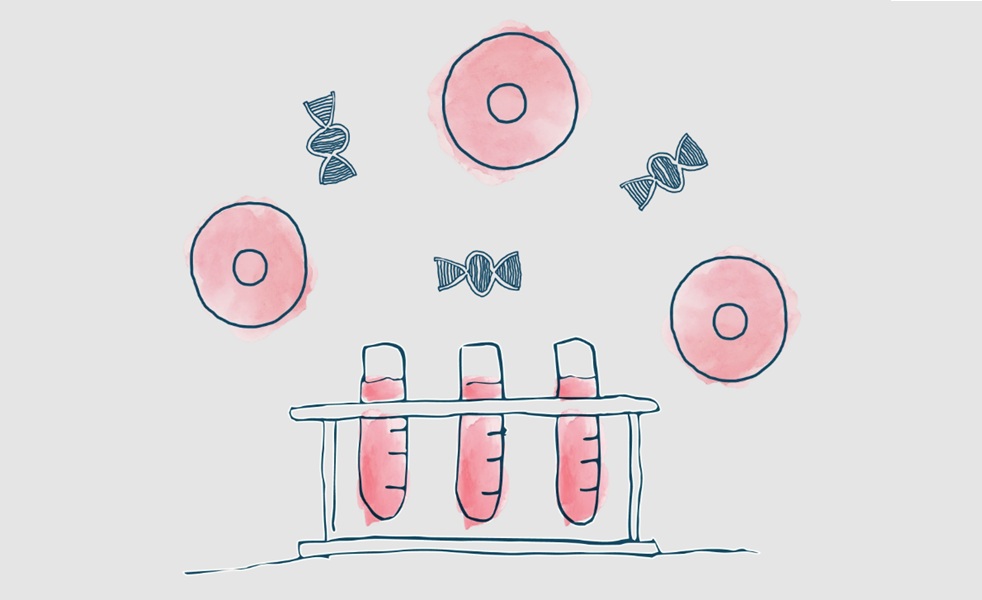
AlloSure Kidney measures donor-derived cell-free DNA (dd-cfDNA) to assess graft injury, while AlloSure Plus combines the AlloSure result with additional clinical parameters. In the latest Kidney Allograft Outcomes AlloSure Registry (KOAR) analysis, 131 kidney transplant recipients with biopsy-proven borderline changes or T-cell-mediated rejection (TCMR) had AlloSure Kidney testing within 30 days before biopsy. An AlloSure Kidney level of at least 1% was independently associated with a nearly threefold higher risk of allograft loss or a decline in kidney function of at least 30% (P=0.002).
A separate multinational randomized trial conducted by the Paris Transplant Group evaluated 332 kidney transplant recipients across seven centers in four European countries between months 3 and 12 after transplantation. Patients monitored with dd-cfDNA underwent 49% fewer biopsies than those managed with surveillance biopsies, corresponding to an incidence rate ratio of 0.51 (P<0.001). Safety outcomes were similar between the groups, including death or graft loss at 7.1% versus 6.1%, biopsy-proven acute rejection at 7.1% versus 7.3%, and kidney function at 12 months.
The Paris Transplant Group also conducted an extended validation study involving 4,976 kidney transplant recipients and 6,827 biopsies from 29 centers across four continents. Under the updated Banff 2024 pathology criteria, AlloSure Kidney and AlloSure Plus maintained strong performance for predicting rejection, with an area under the curve of 0.833. Together, the findings support the potential role of dd-cfDNA monitoring in identifying patients with borderline changes or TCMR who are at greater risk of adverse graft outcomes while reducing reliance on routine biopsy surveillance.
“For decades, biopsy has been the reference standard for assessing rejection, despite being invasive; resulting in inconvenience, risk and stress for patients; and being resource-intensive for transplant programs,” said Dr. Jeffrey Teuteberg, Chief Medical Officer of CareDx.
“These data show how AlloSure Kidney can provide clinically meaningful information across several of the most difficult decisions in kidney transplant care, from identifying risk when biopsy findings are ambiguous to enabling a less invasive approach to monitoring. Combined with the long-term outcome data presented at this year’s ATC, the evidence increasingly supports the use of AlloSure Kidney to help clinicians assess risk and guide patient management,” added Dr. Teuteberg.
Related Links
CareDx