CNB 2026 Unites Laboratory Professionals in Cali Around Diagnostic Innovation
Posted on 19 Nov 2026
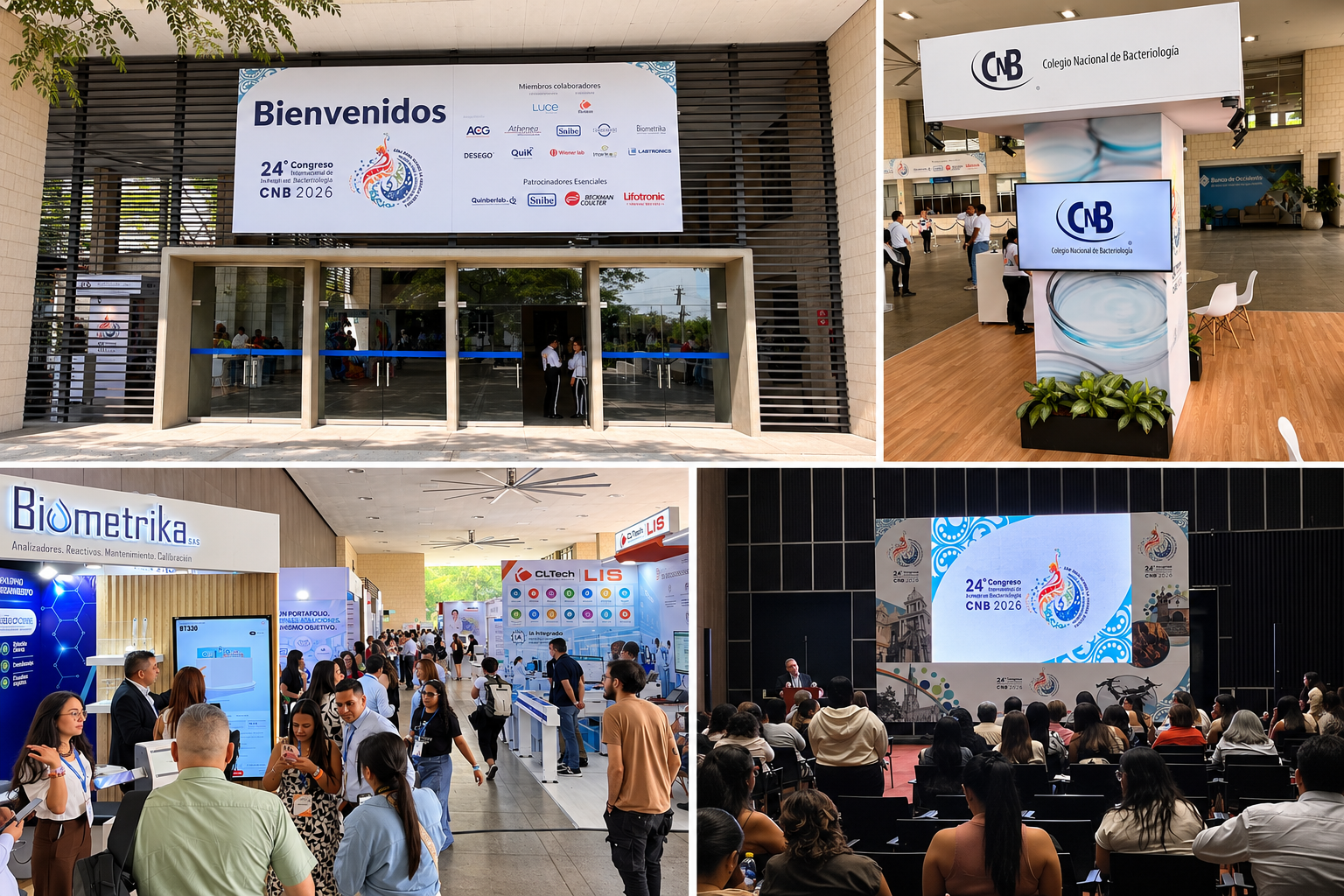
The 24th International Congress of the Colegio Nacional de Bacteriología (CNB) brought together laboratory professionals, researchers, industry representatives, and international experts in Cali, Colombia, from November 13–16, 2026. Held at the Valle del Pacífico Events Center, the four-day event highlighted advances in clinical diagnostics, emerging laboratory technologies, and the growing role of artificial intelligence (AI) in bacteriology and laboratory medicine.
Organized under the theme “Cali 2026: Where Science Breathes Innovation and Biodiversity,” the congress provided a platform for scientific exchange, professional development, and collaboration among laboratory specialists. The event featured more than 60 conference presentations spanning 16 thematic areas, with concurrent sessions held in 10 rooms and invited experts from Colombia, Chile, Brazil, Canada, the United States, and Panama.
“The purpose of the CNB is to support the country's bacteriologists and their counterparts, professionals who also need to stay up to date, so we provide updates on new technologies and trends,” said Dr. Yenedith de Vargas Uparela, President of the CNB. She emphasized that the gathering aimed to raise the profession's profile while bringing together bacteriologists and professional associations from different regions.
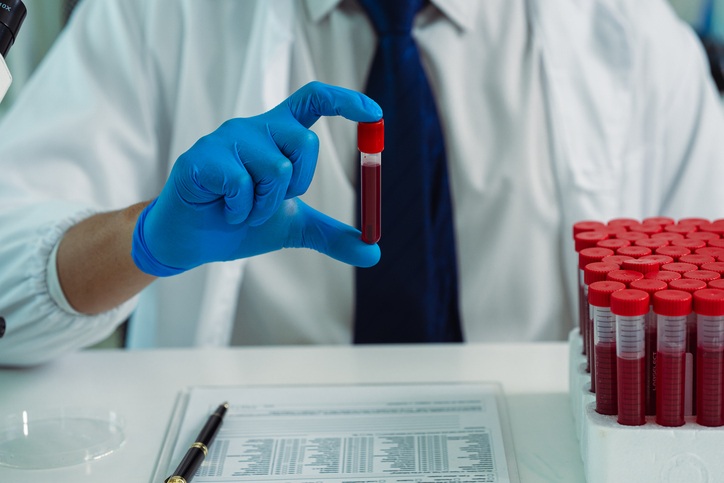
The scientific program addressed developments in microbiology, antimicrobial resistance, molecular diagnostics, genetics, precision medicine, among many others. Sessions explored diagnostic challenges involving infectious diseases, emerging resistance mechanisms, and advances in laboratory testing. Other presentations examined the role of clinical laboratories in veterinary medicine and the One Health approach, connecting human, animal, and environmental health.
AI and laboratory automation received particular attention, with discussions examining their potential to improve diagnostic workflows, laboratory efficiency, and clinical decision-making. The program also featured presentations on intelligent diagnostic management, automated hematology validation, and the application of emerging technologies in molecular testing.
“The bacteriologist is a scientific professional, and neither AI nor technological advances will ever replace the mind, clinical judgment, and human touch of bacteriologists and their counterparts,” Dr. de Vargas Uparela stated. “AI facilitates decision-making—a role that will always belong to bacteriologists—and streamlines processes and handles large volumes of work, taking into account the full scope of the healthcare system: a pathway for diagnosis, treatment, and follow-up. AI reduces workloads and streamlines processes.”
Professional education was another important component of the congress. Ten pre-congress workshops covered subjects such as preanalytical quality indicators, analytical performance, neonatal screening, clinical genomics, research project development, and laboratory risk management. The scientific sessions also addressed accreditation, biosafety, sustainability, and the evolving responsibilities of laboratory professionals.
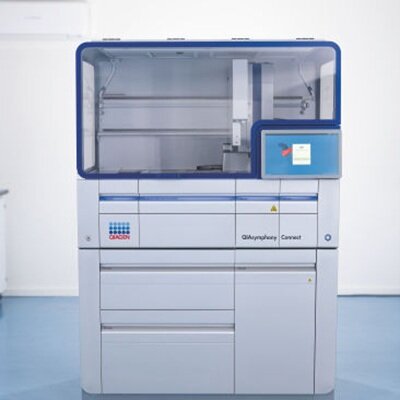
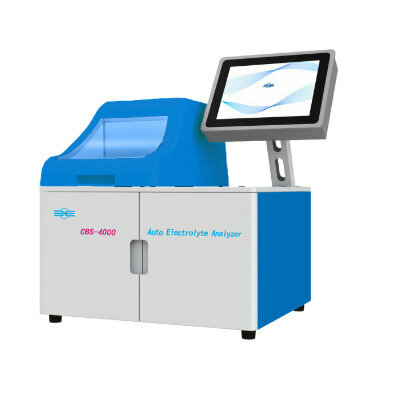
The commercial exhibition complemented the scientific program, bringing together more than 15 national and international sponsors representing different areas of laboratory medicine. Participating companies presented diagnostic instruments, analytical technologies, and laboratory solutions, giving attendees opportunities to explore developments relevant to their daily practice.
“For them, it's a great platform for sales and promotion, and for us, it's an opportunity to stay at the forefront of technology,” said Dr. de Vargas Uparela, emphasizing the value of interaction between diagnostic companies and laboratory professionals.
Reflecting on the congress, Dr. de Vargas Uparela highlighted its role in strengthening professional relationships and encouraging collaboration across regions. She expressed satisfaction that the event had achieved its objectives as a gathering place for bacteriologists and their colleagues. Looking ahead, she invited participants to continue the scientific exchange at the next edition of the congress, planned for Barranquilla, Colombia, in 2027.