Continuous Glucose Monitoring Identifies Cardiometabolic Risk in Adults Without Diabetes
Posted on 19 Sep 2026
Dysglycemia—abnormal blood glucose regulation—can fluctuate throughout the day and often escape conventional screening. Clinicians typically rely on fasting plasma glucose and hemoglobin A1c, which offer only static snapshots and may miss early metabolic changes in people without diabetes. Detecting these hidden glucose patterns could help identify cardiometabolic risk before more obvious abnormalities emerge. Researchers have now used continuous glucose monitoring to uncover patterns associated with hypertension, hypercholesterolemia, and other cardiometabolic risk factors in adults without diabetes.
At Boston University Chobanian & Avedisian School of Medicine, investigators evaluated continuous glucose monitoring (CGM) as a tool to reveal clinically relevant glycemic dynamics beyond standard tests. CGM records interstitial glucose continuously, enabling assessment of average levels, variability, and time spent above predefined thresholds. The goal was to determine how these features relate to markers of cardiometabolic health in individuals free of diabetes and cardiovascular disease.
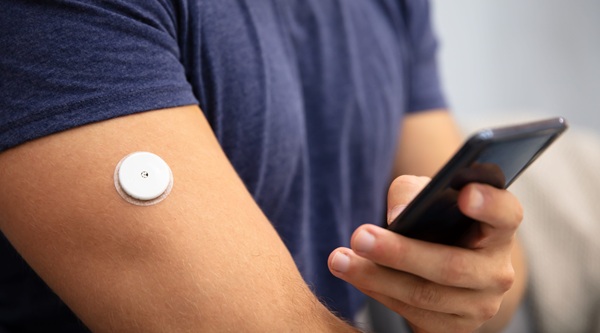
The team analyzed CGM data from approximately 1,300 participants in the Framingham Heart Study who had neither diabetes nor cardiovascular disease. They examined several CGM-derived measures, including average glucose, glucose variability, and periods of higher glucose exposure. These measures were then related to established indicators of cardiometabolic health.
Higher average glucose and a greater percentage of time with glucose above 140 mg/dL were associated with higher risks of hypertension or high cholesterol in this non-diabetic cohort. The findings, published in Diabetes Care on September 17, 2026, suggest CGM profiles may help discern heterogeneity in glycemic patterns that align with cardiometabolic risk. The researchers note that additional studies are needed, but the results could inform future strategies for identifying people at greater risk for poor cardiometabolic outcomes.
“Understanding temporal glucose patterns may be pivotal in uncovering early or intermittent dysglycemia and its downstream cardiometabolic risks. Continuous glucose monitoring may help characterize the heterogeneity underlying dysglycemia by enabling phenotyping of individuals across the blood sugar continuum,” said Nicole Spartano, Ph.D., assistant professor of medicine.
“Our findings align with a small but growing body of literature characterizing the cross-sectional associations of CGM measures and health outcomes. Emerging studies have also reported that a higher percentage of time spent at glucose levels >140 mg/dL is longitudinally associated with the development of cardiometabolic outcomes, including type 2 diabetes, among individuals without type 2 diabetes,” said lead author Bahar Bakhshi, M.S., a Ph.D. candidate in the school’s Molecular & Translational Medicine Program.
Related Link
Boston University Chobanian & Avedisian School of Medicine





.jpg)