International Consensus Guidance Outlines General Population Screening for Early-Stage Type 1 Diabetes
Posted on 12 Sep 2026
Type 1 diabetes (T1D) is an autoimmune disease that can develop in childhood or adulthood and affects an estimated 9.5 million people worldwide. Its complications range from acute diabetic ketoacidosis (DKA) at disease onset to long-term damage affecting the kidneys, eyes, nerves, and heart, while lifelong insulin therapy remains essential. Detecting early-stage T1D before symptoms appear can support closer monitoring, guide therapeutic decisions, and help patients and families plan ahead. To advance this approach, researchers have published international consensus guidance in Diabetologia on general population screening for early-stage T1D.
Breakthrough T1D (New York, NY, USA) led the development of “International consensus guidance for general population screening for islet autoantibodies to diagnose early-stage type 1 diabetes,” which outlines the first framework for implementing broad screening in clinical practice. Developed by nearly 30 experts, the guidance is designed for healthcare professionals and provides actionable steps for integrating screening into routine care. It specifies who should be screened, when to screen, and how often.
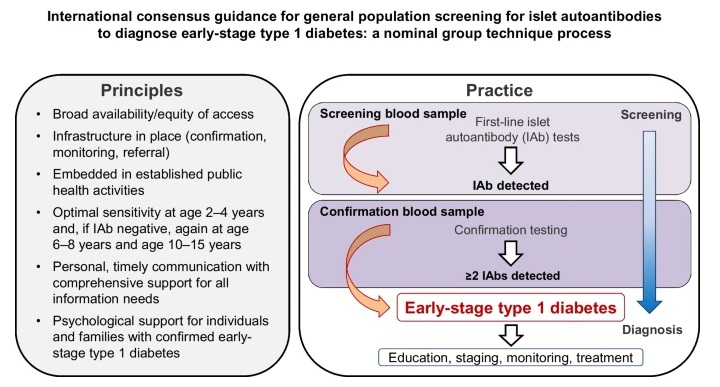
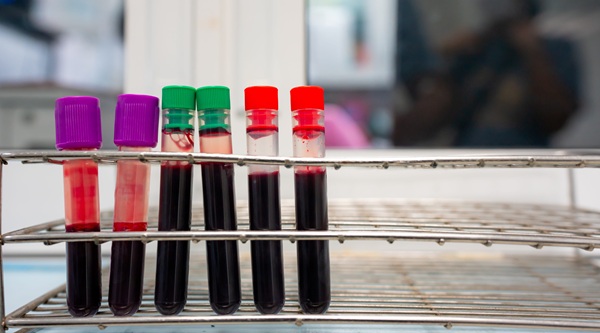
The guidance centers on a simple blood test for islet autoantibodies, which signal immune-mediated injury to insulin-producing cells. Individuals with two or more persistent islet autoantibodies are classified as having stage 1 or stage 2 T1D and are highly likely to progress to clinical stage 3 disease. The document recommends confirming any initial positive screening result with a second test before making a diagnosis.
For timing, screening should begin in children aged 2–4 years, with repeat testing for those who screen negative at ages 6–8 years and again at 10–15 years, aligned with routine preventive healthcare visits. The framework also provides clear pathways for implementing screening across care settings and ensuring appropriate follow-up for individuals identified with early-stage disease. Together with previously issued monitoring recommendations, it offers an end-to-end approach from detection through surveillance.
Early identification through screening can reduce the risk of DKA at diagnosis, support the use of approved therapies that may delay disease progression, expand access to clinical trials of disease-modifying treatments, and give families time to prepare for future health needs. The ability to detect early-stage T1D has already helped advance therapies such as teplizumab, which can delay progression to stage 3 disease. The consensus guidance is endorsed by 20 diabetes societies and organizations.
The paper was published in Diabetologia on September 10, 2026, and aligns with consensus monitoring guidance that Breakthrough T1D led in 2024. Together, the screening and monitoring documents form a comprehensive guide to identifying and tracking early-stage T1D in clinical practice.
“Early detection of type 1 diabetes is crucial for the future of T1D care, and this consensus guidance moves us one step closer to a world where everyone is screened and has the opportunity to realize the benefits of screening. With this consensus guidance, healthcare professionals have the information they need to begin general population screening for type 1 diabetes in their clinical practices. We’re grateful to the international experts who provided their time and vast experience in the field to develop this guidance, and we look forward to the positive impact this will have for everyone affected by the disease,” said Anastasia Albanese-O’Neill, Ph.D., Breakthrough T1D Vice President of Medical Affairs.
Related Links
Breakthrough T1D