Algorithm Uses Blood Biomarkers to Improve Alzheimer’s Trial Screening
Posted on 11 Sep 2026
Alzheimer’s disease is a progressive neurodegenerative disorder that causes memory loss and functional decline. Screening cognitively healthy adults for prevention trials is slow and costly because many participants undergo positron emission tomography (PET) scans that ultimately show insufficient amyloid burden. These delays strain site workflows and expose some participants to unnecessary imaging. Addressing this need, researchers have developed a blood-based algorithm to streamline prescreening for an Alzheimer’s prevention trial.
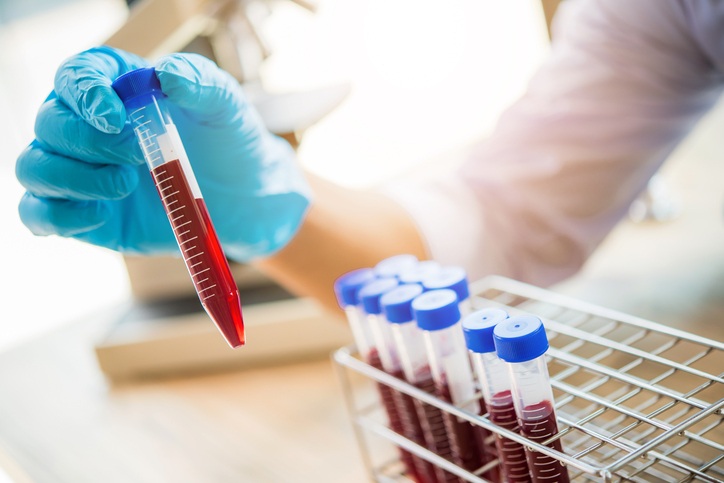
Researchers at the Keck School of Medicine of the University of Southern California (USC, Los Angeles, CA, USA) created a blood‑plasma screening algorithm to identify individuals more likely to meet amyloid thresholds for enrollment. The approach, reported in a study published in Alzheimer’s & Dementia: The Journal of the Alzheimer’s Association on September 9, 2026, was deployed during recruitment for the AHEAD 3‑45 phase 3 trial of lecanemab for preclinical Alzheimer’s disease. Collaborations included Harvard Medical School, Brigham and Women’s Hospital, Massachusetts General Hospital, Eisai Inc., and C2N Diagnostics.

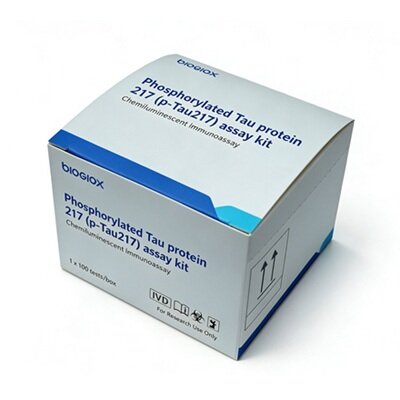
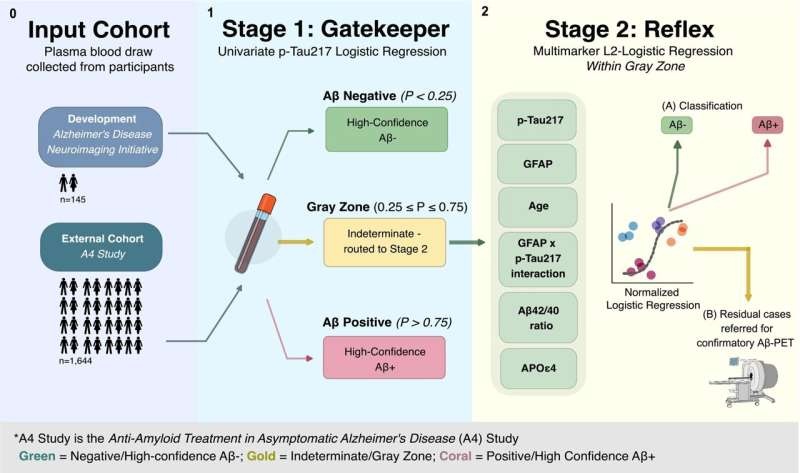
The tool integrates two plasma biomarkers—the amyloid‑beta ratio as an early indicator of brain amyloid and phosphorylated tau 217 (p‑tau217) as a marker that more directly reflects amyloid burden. Age and apolipoprotein E4 (APOE4) carrier status are added to refine individual risk estimates. A Mixture of Experts statistical framework models amyloid as a continuum rather than a binary state, aligning predicted risk with intermediate and elevated plaque ranges that determine trial eligibility.
Development used data from 1,080 AHEAD participants and was validated in an independent cohort from the Wisconsin Registry for Alzheimer’s Prevention. The algorithm was iteratively refined while AHEAD recruitment ran from 2020 to 2024. First introduced in February 2022 using the amyloid‑beta ratio, it reduced the proportion of PET‑ineligible candidates from 71% to 50%. After p‑tau217 was incorporated in May 2023, the ineligible rate fell further to 31%.
The operational impact was substantial for sites and participants. Before blood-based prescreening, many candidates waited up to three months and underwent a positron emission tomography (PET) scan, considered the diagnostic gold standard, only to learn they were ineligible; more than 70% were screened out. Because only about 30% of cognitively healthy adults over age 65 meet amyloid thresholds, the algorithm reduced unnecessary PET imaging by more than half and accelerated enrollment into AHEAD 3-45. The trial is testing whether earlier treatment with lecanemab, an amyloid-beta-removing antibody that can slow clinical progression by about 30% in symptomatic disease, leads to better outcomes.
“When we look at amyloid levels at a population level, we see a peak where people are amyloid-negative and another peak for those with elevated amyloid plaque buildup. There is a region in the intermediate range that isn’t fully captured by the plasma marker alone. The Mixture of Experts approach helps model that uncertainty more effectively and is better suited to the type of data collected,” said Oliver Langford, M.S, modeling and simulation director at the USC Epstein Family Alzheimer’s Therapeutic Research Institute at the Keck School of Medicine.
“It’s going to allow more people to access testing that can help determine whether they have Alzheimer’s disease pathology. If you are able to go to your doctor and get a blood test done, you’ll be able to understand whether you have the disease earlier,” added Langford.
Related Links
Keck School of Medicine at USC