Rapid Ferritin Test Enables Iron Deficiency Detection at the Point of Care
Posted on 22 Aug 2026
Iron deficiency is one of the world’s most common nutritional disorders and can be difficult to diagnose where access to laboratories and trained personnel is limited. Women and children in low-resource settings are particularly affected, and delayed detection can worsen maternal anemia and newborn outcomes. Because hemoglobin screening alone may miss iron deficiency before anemia develops, earlier biomarker testing is needed. Researchers have now introduced a rapid, point-of-care ferritin test designed to expand timely diagnosis and treatment.
Walter and Eliza Hall Institute of Medical Research (WEHI) has developed a 15-minute, finger-prick point-of-care (POC) ferritin test intended to deliver accurate results in a single visit. The assay is designed to be used without specialized laboratory equipment and can be administered by a broad range of health care professionals, minimizing the need for dedicated training. WEHI states the device provides a clear visual reference at the clinically important ferritin threshold of 30 ng/mL to help clinicians identify iron deficiency at the POC.
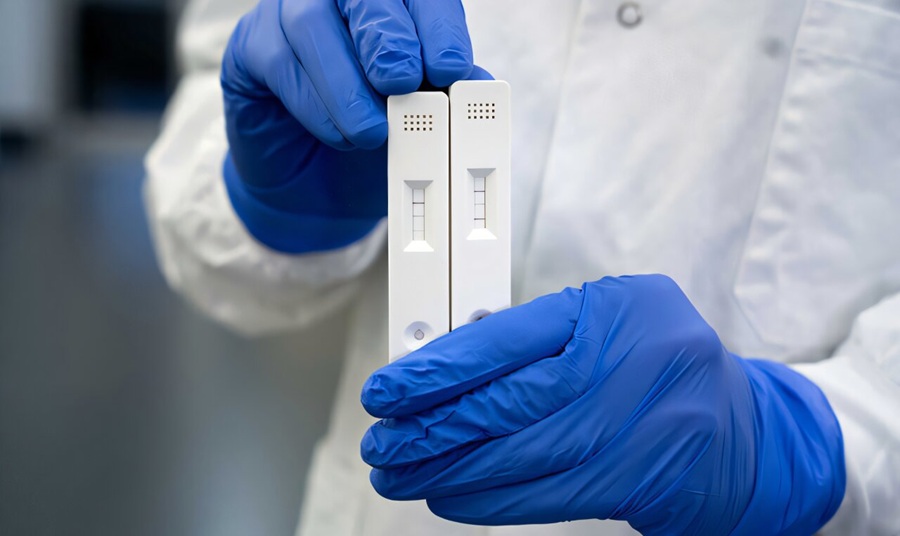
The test measures ferritin, described as the gold‑standard biomarker for iron deficiency, allowing detection before anemia develops. According to WEHI, accuracy closely matches standard laboratory ferritin measurements, reducing the need for a follow‑up venous blood draw and facilitating both diagnosis and ongoing monitoring. While other rapid ferritin tests exist, the stated threshold-based visual readout is intended to support confident decision‑making in under‑resourced settings.
Field validation and implementation are planned in Malawi and Kenya following contract manufacturing under relevant international industry standards. The deployment aims to demonstrate real‑world performance, generate critical evidence, and establish a pathway for rapid implementation in low‑resource settings. In 2025, a WEHI‑led trial with the Training Research Unit of Excellence (Malawi) found that a single iron infusion in the third trimester significantly reduced iron‑deficient anemia in pregnant women; the new test is intended to help identify who would benefit most from such treatment. Completion of the current project is expected to advance the test toward regulatory approval and global distribution.
“Iron infusions are among the most prescribed medicines in Australia—reflecting the prevalence of iron deficiency and availability of effective treatment options. But simple methods to diagnose the condition remain largely out of reach for those living outside of high-income countries. Our test could close this health inequity gap and transform the lives of millions of women and babies around the world,” said Emily Eriksson, who co-led the research team that developed the test at the Walter and Eliza Hall Institute of Medical Research.
“Identifying iron deficiency in the context of, or even before it progresses to anemia, is the critical gap this test is addressing. Too often, women with low iron stores are missed because their hemoglobin levels appear normal. By directly identifying low ferritin levels, our test enables clinicians to clearly identify those women who are truly iron deficient and would benefit from timely treatment,” said Ricardo Ataide, who will lead the field validation and implementation of the diagnostic at the Walter and Eliza Hall Institute of Medical Research.
Related Links
Walter and Eliza Hall Institute of Medical Research