Blood Biomarker Kallikrein-8 Detects Amnestic Mild Cognitive Impairment
By LabMedica International staff writers
Posted on 10 Jan 2022
Alzheimer’s disease (AD) is a neurodegenerative disease and the most common cause of dementia. AD starts to damage the brain 20 years or more before any clinical symptoms appear. The currently available biomarker for AD (beta-amyloid (Aβ, A), tau (T), and neurodegeneration (N), (ATN)) are measured in cerebrospinal fluid (CSF).Posted on 10 Jan 2022
The extracellular serine protease kallikrein-8 (KLK8, alias neuropsin) is a well-known, dose-dependent modulator of neuroplasticity and memory. It unfolds its effects in part by processing the substrates neuregulin-1, neuronal cell adhesion molecule L1, fibronectin, and ephrin receptor B2, and thereby regulates different neuroplasticity associated signaling pathways.
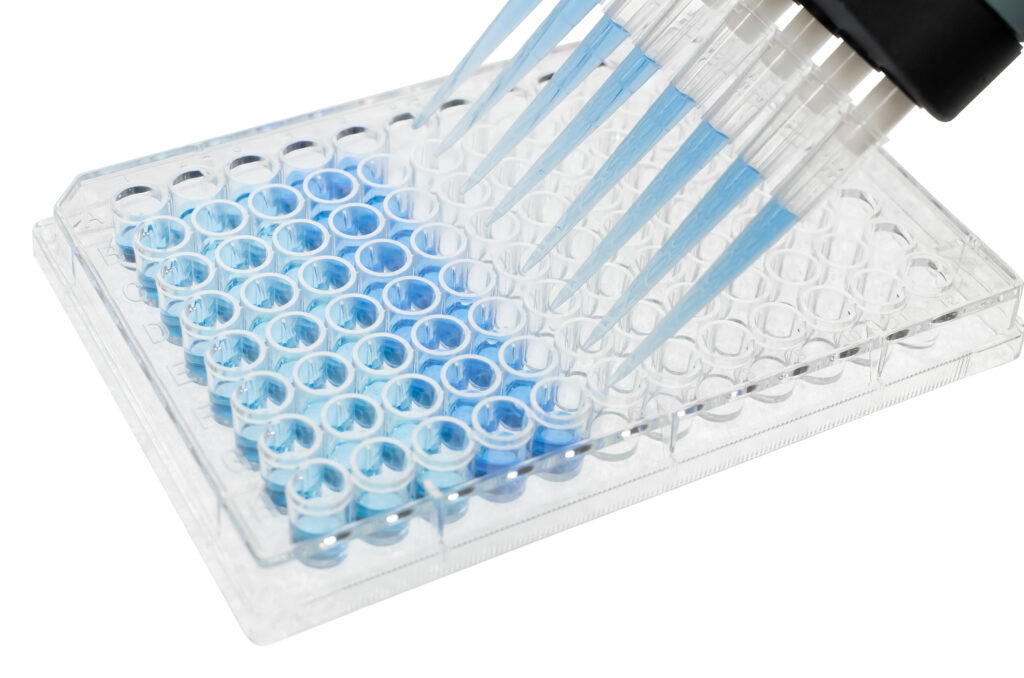
Image: The Human KLK8/Kallikrein-8 ELISA Kit PicoKine is used to quantitate Human KLK8 in cell culture supernatants, cell lysates, serum and plasma (heparin, EDTA) (Photo courtesy of Boster Biological Technology)
Neuropathologists at the University Hospital Essen (Essen, Germany) and their colleagues examined whether blood KLK8 is elevated in persons with amnestic mild cognitive impairment (aMCI) which is a precursor of AD, compared to cognitively unimpaired (CU) controls. Forty cases and 80 controls, matched by sex and age (± 3years), were participants of the longitudinal population-based Heinz Nixdorf Recall study. Standardized cognitive performance was assessed five (T1) and 10 years after baseline (T2).
KLK8 levels were measured in duplicate using a commercially obtained ELISA kit (Boster Biological Technology, Pleasanton, CA, USA). To discriminate between the APOE alleles ε2, ε3, and ε4, Cardio-MetaboChip BeadArrays were used for genotyping of two single-nucleotide polymorphisms (rs7412 and rs429358). Participants defined as APOE ε4 positive had at least one allele 4 (2/4, 3/4, 4/4). All other participants were defined as APOE ε4 negative.
The investigators reported that the 37 participants with aMCI had a higher KLK8 mean value compared to the 72 CU participants (911.6 ± 619.8 pg/mL versus 783.1 ± 633.0 pg/mL). Participants with aMCI were more often APOE ε4 positive compared to CU participants (48.6 versus 26.4%). Fully adjusted, a KLK8 increase of 500pg/mL was associated with a 2.68 (1.05–6.84) higher chance of having aMCI compared to being CU. With an AUC of 0.92 (0.86–0.97), blood KLK8 was a strong discriminator for aMCI and CU.
The authors concluded that the population-based case-control study demonstrated the capability of KLK8 as a blood biomarker for early diagnosis of AD. A 500 pg/mL increase in blood KLK8 was associated with an almost threefold increased chance of an aMCI diagnosis compared to cognitively unimpaired participants. The diagnostic performance of KLK8 in blood for aMCI was very good with an AUC of 0.92. The study was published on December 20, 2021 in the journal Alzheimer's Research & Therapy.
Related Links:
University Hospital Essen
Boster Biological Technology




Platinum Member

Automated Coagulation Analyzer
Hemolumi H6
New
Gold Member

Serum Indices Control
Acusera Serum Indices Control
Gold Member

Blood-Based Protein Biomarker Solution for Alzheimer's Disease
BG-DTi2000.

CMV CLIA Diagnostic
CLIA CMV IgA Screen Group