Reproducibility Of Stored Serum Potassium Values Analyzed
By LabMedica International staff writers
Posted on 29 Jun 2016
The reproducibility of serum potassium values in serum from blood samples stored for increasing times prior to centrifugation and analysis has been investigated.Posted on 29 Jun 2016
The goal of the investigation was to determine if immediate versus postponed centrifugation of samples affects the levels of serum potassium. Abnormal serum potassium levels are indicative of many diseases including kidney failure and hyperkalemic periodic paralysis.
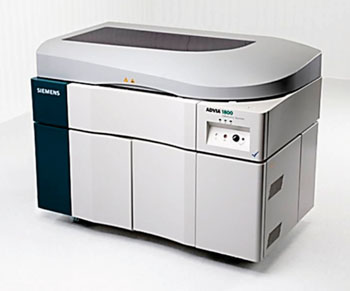
Image: The ADVIA 1800 clinical chemistry system (Photo courtesy of Siemens Healthcare).
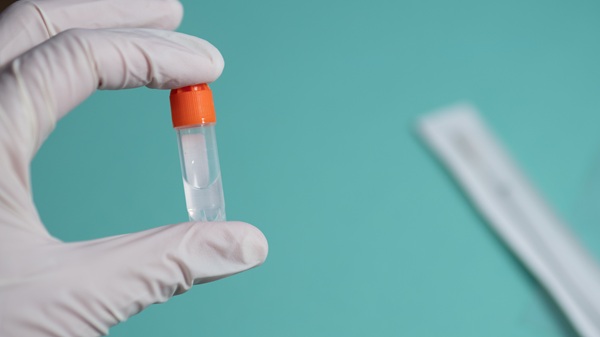
Scientists in the department of Pathology at the SUNY Downstate Medical Center (Brooklyn, NY, USA) collected from 20 participants who donated normal venous blood that was collected in four serum separator tubes per donor, each of which was analyzed at 0, 1, 2, or 4 hours on the Advia 1800 autoanalyzer (Siemens Healthcare, Erlangen, Germany).
The scientists found that the Coefficients of Variation (CVs) for potassium levels ranged from 0% to 7.6% with a mean of 3% ± 2%. Statistical testing of the means for all 20 samples indicated that there was no statistically significant difference between the means of the samples at the four time points. Sixteen samples were found to have CVs that were less or equal to 5%. Two samples showed increases of potassium from the reference range to levels higher than the upper reference limit, one of which had a four hour value that was within the reference or normal range of 3.5 to 5 mEq/L. Overall, most samples were found to have reproducible levels of serum potassium.
The authors concluded that serum potassium levels from stored whole blood collected in serum separator tubes are, for the most part, stable at room temperature for at least four hours prior to analysis. However, some samples can exhibit significant fluctuations of values. The study was published on May 30, 2016, in the Journal of Clinical Laboratory Analysis.
Related Links:
SUNY Downstate Medical Center
Siemens Healthcare




Platinum Member

Automated Coagulation Analyzer
Hemolumi H6
New
Gold Member

Serum Indices Control
Acusera Serum Indices Control
.jpg)
Gold Member

Clinical Chemistry Assay
Sorbitol Dehydrogenase (SDH)