Specific Blood Test Diagnoses Early Onset Kidney Failure
By LabMedica International staff writers
Posted on 16 Sep 2014
A new and dedicated reagent for the measurement of cystatin C on a portable centrifuge-method clinical chemistry analyzer has been released.Posted on 16 Sep 2014
The blood test will support the diagnosis and treatment of early onset kidney failure within clinics where the fully automatic, simple and fast measurement of cystatin C can be used in clinics to aid in rapid testing.
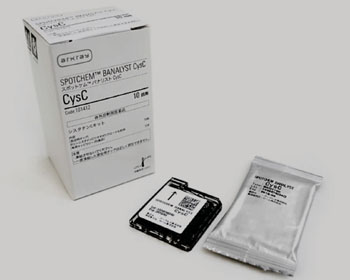
Image: The SPOTCHEM Banalyst CysC kit for the measurement of Cystatin C (Photo courtesy of ARKRAY).
Cystatin C is an important indicator of kidney function. Its utility as an accurate diagnostic marker of diabetic nephropathy, immunoglobulin A (IgA) nephropathy, other types of chronic kidney disease (CKD) and early onset kidney damage is well documented.
In the past, serum creatinine has been used as test for kidney function but this is subject to influence from diet, muscle mass, and exercise. In contrast, cystatin C is not affected by these factors and rises in concentration within blood in line with even minor decreases in kidney function. This allows it to be used for the diagnosis of early onset kidney failure which serum creatinine cannot detect.
The SPOTCHEM Banalyst CysC (Cystatin C) from ARKRAY Inc. (Kyoto, Japan) is an in vitro diagnostic product for the testing of kidney failure. It is used together with whole blood or plasma samples on the SPOTCHEM Banalyst SI-3610, which is being sold through ARKRAY Inc. The SPOTCHEM Banalyst SI-3610 uses Micro Total Analysis Systems (µ-TAS) technology to offer high precision measurement in a compact test system. The µ-TAS analysis system uses a microprocessed chip to include flow channels and reactions which then allows separation of blood cells, reagent mixing and other processes in a short space of time. CysC is the fourth reagent in the series joining glycosylated hemoglobin (HbA1c), C-reactive protein (CRP) and other diabetes and infectious diseases biomarkers.
Related Links:
ARKRAY Inc.




Platinum Member

Automated Coagulation Analyzer
Hemolumi H6
Gold Member

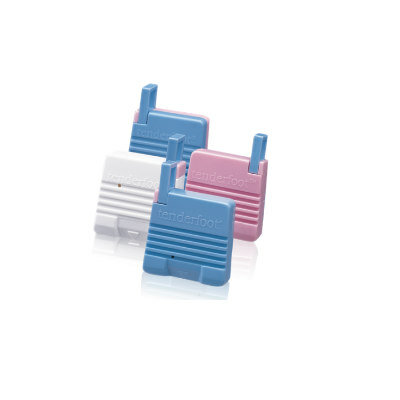
Neonatal Heel Incision Device
Tenderfoot

POC Immunoassay Analyzer
Procise DX
Gold Member

Blood-Based Protein Biomarker Solution for Alzheimer's Disease
BG-DTi2000.