Fecal Hemoglobin Concentrations Varies with Gender and Age
By LabMedica International staff writers
Posted on 05 Jul 2012
Estimation of fecal hemoglobin concentration by fecal immunochemical tests (FIT) are becoming widely used in colorectal cancer screening.Posted on 05 Jul 2012
Risk stratification is based on the concentration of the hemoglobin in the stool specimens and this helps clinicians make the subsequent decisions for diagnosis and treatment of colorectal neoplasia.
Scientists at the University of Dundee (UK) carried out a large observational study by making a single estimate of fecal hemoglobin concentration using quantitative automated immunoturbidimetry. From July 1, 2010, to January 12, 2011, all eligible men and women aged between 50 and 74 years resident in two of the 14 National Health Service Boards in Scotland were invited to participate. To investigate potential reference values, those who returned a testable fecal sample were defined as the reference population. No exclusion criteria were applied.
The reference sample group comprised of 38,720 in total, including 18,058 men (46.6 %) and 20,662 women (53.4 %) who returned a testable sample. The potential upper reference limits, were 519 ng hemoglobin/mL (90% Confidence Interval (CI): 468-575) for men and 283 ng hemoglobin/mL (90% CI: 257-316) for women. The concentration of hemoglobin increased with age in both genders. The decision limits have advantages over the reference intervals. At any cut-off concentration, more men are declared positive than women and more older people are declared positive than younger people. Future risk of neoplasia is higher in men than in women and in older people.
The authors concluded that that the truly healthy individual has no detectable fecal hemoglobin by conventional quantitative methodology and that any hemoglobin present is unusual. Fecal hemoglobin concentrations vary with gender and age and should be included in individual risk assessment scores. They suggest that more tailored strategies are needed in colorectal cancer screening programs. The study was published on May 25, 2012, in the journal Clinical Chemistry and Laboratory Medicine.
Related Links:
University of Dundee




Platinum Member

Automated Coagulation Analyzer
Hemolumi H6
New
Gold Member

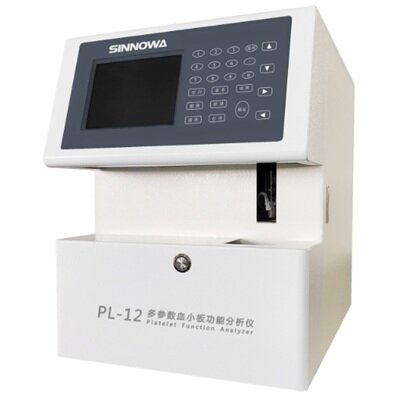
Platelet Function Analyzer
PL-12
New
Gold Member

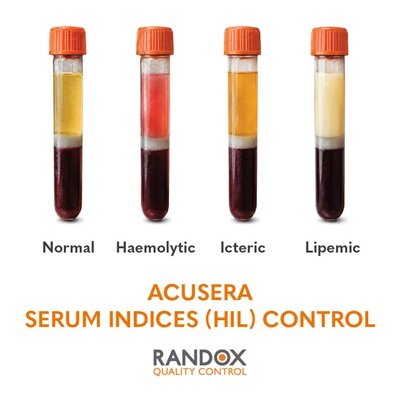
Serum Indices Control
Acusera Serum Indices Control
New

Drug Testing Assays
Atellica DT 250 Analyzer