Diabetes Diagnosed by Breath Analysis
By LabMedica International staff writers
Posted on 12 Jan 2011
A unique technology enables rapid, accurate, and low-cost diagnostics for diabetes through breath analysis.Posted on 12 Jan 2011
Using the Oxford Medical Diagnostics (OMD; Oxford, UK) proprietary Cavity Enhanced Absorption Spectroscopy (CEAS) and Plasma Emission Spectroscopy (PES) technologies, the company team is developing advanced methods of convenient and noninvasive breath analysis targeted at the detection of metabolic and infectious diseases. OMD is currently prototyping a noninvasive point-of-care diagnostic instrument to detect diabetes types 1 and 2, by identifying acetone in the breath.
Currently, there is a significant inadequacy of diabetes testing methods. The Oxford Medical Diagnostics technology and expertise has further significant applications in both medicine and industry, including the automated detection of bacterial species such as methicillin resistant Staphylococcus aureus (MRSA) and Clostridium difficile, and the diagnosis of lung cancer and asthma. Acetone in breath is also a definitive marker of fat-burning weight loss, athletic metabolic performance, as well as certain eating disorders
The company is considered to be one of the most successful entities linked to the University of Oxford and its Intellectual Property (IP) company Isis Innovation.
Related Links:
Oxford Medical Diagnostics




Platinum Member

Automated Coagulation Analyzer
Hemolumi H6
Gold Member

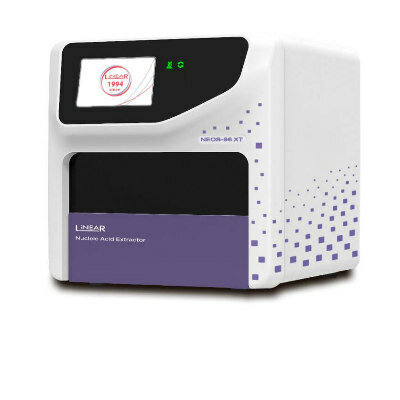
Nucleic Acid Extractor System
NEOS-96 XT
New

Microbiology Laboratory Automation Solution
BD Kiestra™ ReadA+BarcodA


Automated Clinical Chemistry Analyzer
Envoy 500+