Magnetic Nanoparticles Simultaneously Diagnose, Monitor, and Treat Diseases
By LabMedica International staff writers
Posted on 21 Nov 2009
Tiny magnetic nanoparticles (mNPs) and external magnetic forces create a medical means to confirm specific ailments and automatically release healing drugs while inside a living system. For example, mNPs can direct ”therapeutically armed” white blood cells to invade a tumor's territory, or they can target specific nerve channels and induce nerve-led behavior (such as heart beating).Posted on 21 Nov 2009
The magnetic component of the direction-giving nanoparticles is usually an iron-based compound called ferric oxide, which is coated in a biocompatible surface, sometimes using, for example, fatty acids, to provide stability during the particles journey through the body. For biomedicine, the particles are useful because specific signal triggering molecules can be added to identify certain conditions, or dyes to help in medical imaging, or therapeutic agents to remedy a wide range of conditions.
Multifunctional particles, modeled on viral particles such as the flu and human immunodeficiency virus (HIV), are being studied and developed to carry signal-generating sub-molecules and drugs.
A number of review articles dealing with progress in the use of mNPs in biomedicine as well as their future prospects were published on November 6, 2009 in IOP Publishing's Journal of Physics D.
Professor Q. Pankhurst from the department of physics and astronomy at the University College London (UK) and colleagues were authors of one of the reviews, which dealt with the progress in applications of mNPs. In their conclusion they wrote, "there is a lot of activity in this field, and the future is bright, so long as we pay attention to the primary criteria for success, making sure that there is a clearly identified clinical need that can be addressed, and addressed in a way that can be quantified or assessed to the satisfaction of the relevant licensing bodies.''
Related Links:
University College London




Platinum Member

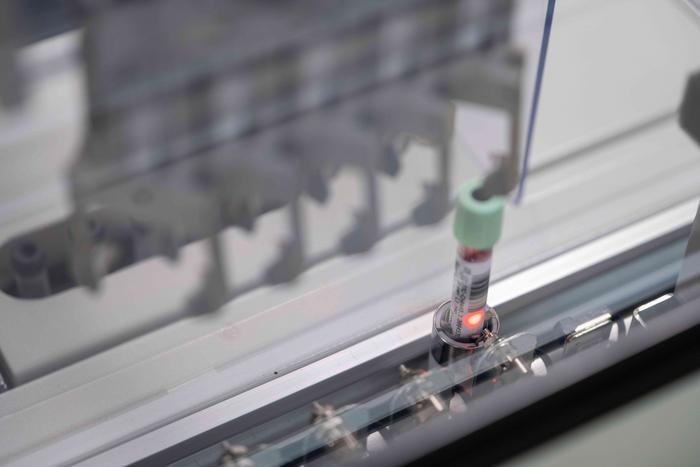
Automated Coagulation Analyzer
Hemolumi H6
New
Gold Member

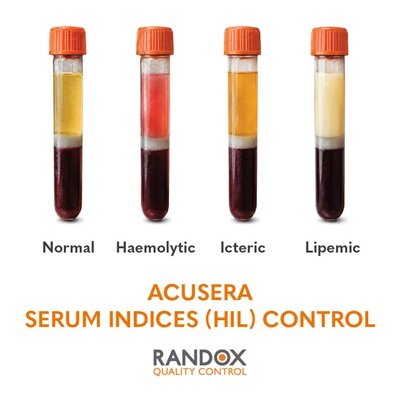
Serum Indices Control
Acusera Serum Indices Control
New

Alzheimer's Disease Biomarker Assay
Elecsys Phospho-Tau (217P) Plasma
New

MR-proADM Test
B•R•A•H•M•S MR-proADM KRYPTOR test