Changes In Lymphatic Vessels Can Aid Early Identification of Aggressive Oral Cancer
Posted on 24 Feb 2026
Oral cancers are the most common malignant tumors in the head and neck region and cause more than 188,000 deaths worldwide each year. Unlike many other cancers, even small, early-stage oral tumors can be life-threatening. In Finland, up to one in five patients treated at an early stage later die from the disease. Researchers have now identified a biological marker within tumor lymphatic vessels that may help detect high-risk oral cancers at diagnosis.
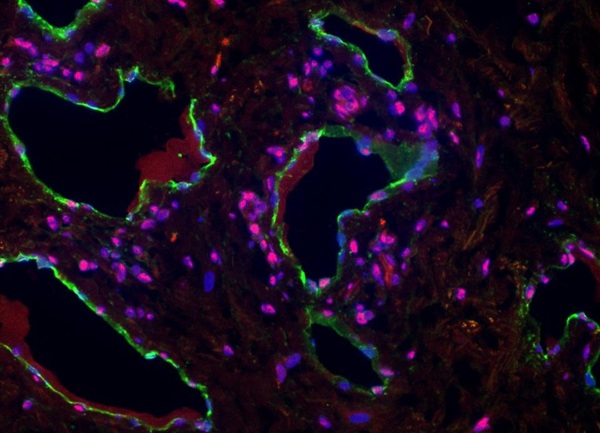
In a study conducted by researchers at the University of Turku (Turku, Finland), the team analyzed early-stage oral cancer samples from approximately 300 Finnish patients, focusing on defense and structural cells within tumor tissue. By examining multiple protein markers, the researchers identified an unexpected pattern: certain tumors contained an unusually high number of proliferating lymphatic vessels. In healthy oral tissue, lymphatic vessel cells rarely divide and do not typically express proteins linked to cell division.
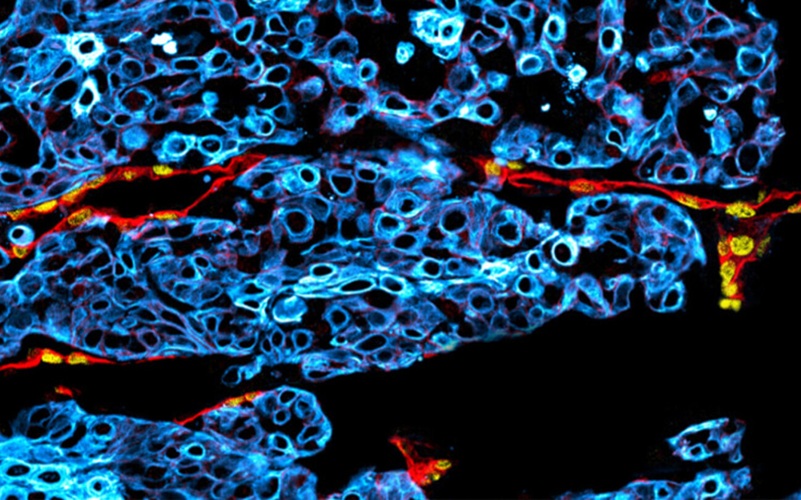
Tumors with a higher number of proliferating lymphatic vessels were strongly associated with cancer recurrence and mortality. The presence of these dividing lymphatic vessel cells predicted disease progression more accurately than previously established risk factors for oral cancer. The findings, published in Cell Reports Medicine, suggest that assessing these protein markers in lymphatic vessel surface cells could help identify aggressive forms of oral cancer at an early stage.
Early identification of high-risk tumors may allow clinicians to tailor treatment strategies more precisely. Currently, oral cancer treatment primarily involves surgery, and there are limited tools for guiding adjuvant therapy decisions. Researchers believe the newly identified marker could serve as a practical clinical tool and are interested in exploring whether it has similar predictive value in other cancer types.
“We are excited about the results and believe that the findings could also be applied as a practical tool for clinical use,” said the lead author of the study Joni Näsiaho. “Furthermore, it would be interesting to find out whether the marker we discovered has a similar predictive value in other cancer groups.”
Related Links:
University of Turku