Cell-Free DNA Predicts Bloodstream Infections in Children with Leukemia
Posted on 04 Mar 2026
Bloodstream infections are a major threat to children undergoing intensive leukemia treatment. Chemotherapy weakens the immune system, allowing bacteria and fungi to trigger sepsis, prolonged hospital stays, delayed chemotherapy, and even early mortality. Clinicians currently rely on blood cultures that detect infections only after symptoms emerge, leaving no reliable way to anticipate infections before patients become critically ill. Researchers have now shown that a blood-based microbial DNA test can predict bloodstream infections days before clinical diagnosis.
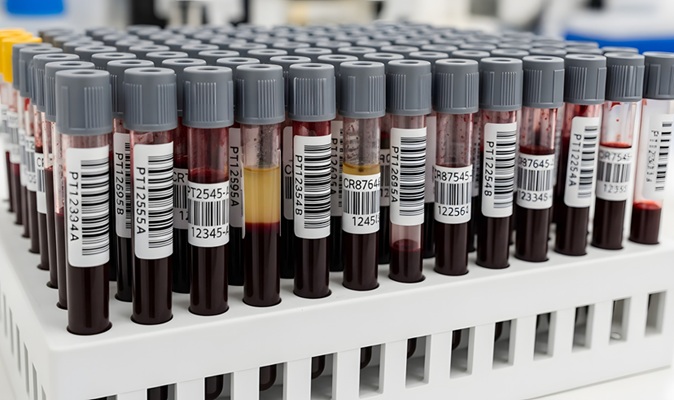
Researchers at St. Jude Children’s Research Hospital (Memphis, TN, USA) evaluated plasma microbial cell-free DNA sequencing (mcfDNA-Seq), a technology that detects fragments of microbial DNA circulating in the bloodstream. In this prospective study, plasma samples were collected daily from 158 pediatric patients with high-risk leukemia. Researchers analyzed samples taken up to seven days before and at the time of bloodstream infection diagnosis. The test identifies DNA fragments from infection-causing pathogens, enabling detection before clinical symptoms appear.

The mcfDNA-Seq test predicted bloodstream infections in just over half of cases up to three days before symptoms developed. It reliably identified common bacteria and fungi responsible for infections in children with cancer. The study also showed that the test accurately ruled out infection in 93.8% of samples from healthy or uninfected patients. Unlike previous studies focused on validating the technology itself, this research evaluated its predictive performance in a real-world pediatric population.
The findings, published in The Lancet Microbe, suggest that mcfDNA-Seq could become part of a proactive infection management strategy in children receiving intensive cancer therapy. By identifying high-risk patients earlier, clinicians may be able to initiate treatment before infections progress to sepsis. Further clinical trials are needed to determine how best to incorporate predictive testing into care protocols. If validated, early detection could reduce hospitalizations, prevent severe complications, and improve survival in immunocompromised children.
“We’re not good at predicting or preventing infections in children with cancer, and the consequences can be deadly, causing lasting damage or delaying chemotherapy, which reduces the chances of successful treatment,” said first and corresponding author Joshua Wolf, PhD, MBBS. “Many infections still happen even with the best prevention strategies we have, so what we really need is a way to detect infections before they start, so we can treat kids earlier and save lives.”
Related Links:
St. Jude Children’s Research Hospital