Breakthrough Genetic Map Advances Understanding of Bone Disorders
Posted on 14 Jul 2026
Skeletal disorders such as osteoporosis and osteoarthritis are widespread in older adults and can arise alongside rare bone conditions and cancers that spread to bone. Many existing treatments primarily slow further loss, highlighting a critical gap in strategies that rebuild damaged tissue. Pinpointing which cells and genes orchestrate bone turnover has been hampered by the complexity of bone and marrow. New research now demonstrate a detailed genetic map of bone-regulating cells that addresses this challenge.
Garvan Institute of Medical Research (Sydney, Australia) and collaborators have produced what they describe as the most detailed map to date of the cells and genes that regulate bone formation and loss, published in Nature Genetics on July 10, 2026. The team focused on the interface between hard bone and bone marrow, using single-cell RNA sequencing (scRNA-seq) to determine which genes are active in individual cells. Their analysis delineated 34 distinct cell groups and defined the gene programs operating within each.
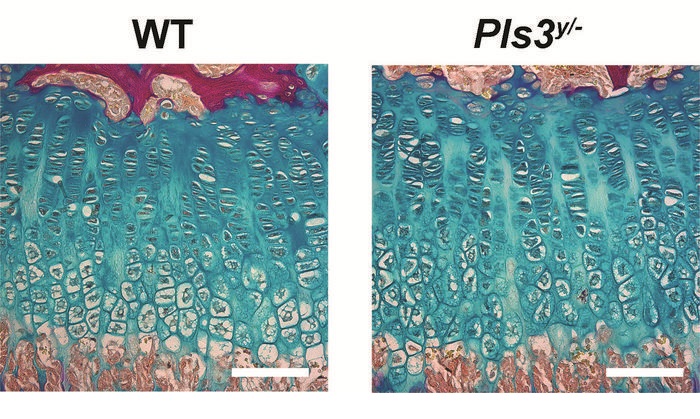
The researchers integrated this cell-by-cell map with genetic and bone density data from approximately 500,000 participants in the UK Biobank. This multiscale approach identified hundreds of genes linked to bone health, with more than half not previously associated with maintaining the skeleton. Cells surrounding blood vessels emerged as key, previously underappreciated contributors to bone repair and turnover.
The resource was used to pinpoint disease-relevant cell types for both rare and common skeletal disorders, including osteogenesis imperfecta and osteoporosis. According to the institutions, the findings fundamentally enhance understanding of skeletal disease biology and create a shortlist of targets for interrogating pathogenesis. The data have been made accessible to researchers worldwide via an open access platform.
The work involved teams from the Garvan Institute of Medical Research, Mater Research, and Imperial College London. By combining high-resolution cell mapping with population-scale genetics, the study provides a framework for linking human genomic variation to specific bone cell functions and disease processes.
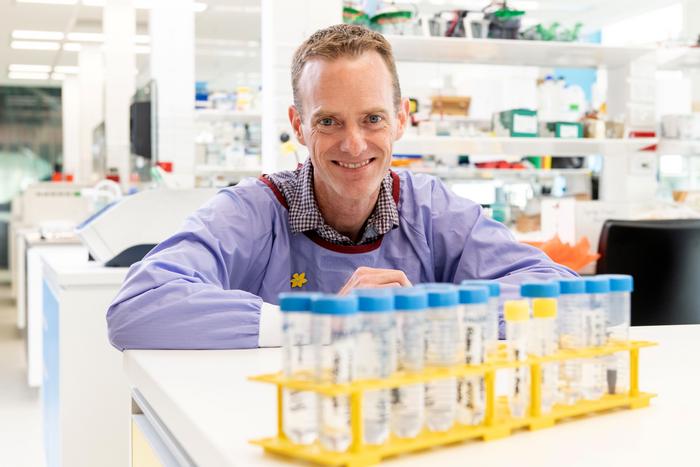
“Most people don't realise that bones are constantly changing – the human body replaces its skeleton every 10 years or so. This is a hugely important process, but until now we've had a very limited understanding of the cells and mechanisms that control this turnover of bone. Most of the drugs now available focus only on halting bone disease, rather than rebuilding lost bone, which is really important for reversing damage,” said Peter Croucher, Professor, Garvan Institute of Medical Research.
“We hope that sharing this knowledge can speed up development of new therapies that prevent diseases like osteoporosis and reverse the damage caused by them,” said John Kemp, Associate Professor, Mater Research.
Related Links
Garvan Institute of Medical Research