Blood Test Tracks Transplant Health Using Donor DNA
Posted on 12 Mar 2026
Organ transplantation offers life-saving treatment for patients with end-stage disease, but complications such as rejection remain a constant risk. Monitoring transplanted organs typically relies on invasive tissue biopsies or clinical indicators that may detect problems only after significant damage has occurred. These limitations have driven interest in noninvasive methods capable of identifying early signs of graft injury. A blood test measuring donor-derived cell-free DNA (dd-cfDNA) is now emerging as a promising tool for earlier detection of transplant complications.
Researchers at University of Michigan Health (Ann Arbor, MI, USA) have described the clinical potential of dd-cfDNA testing in an article published by the College of American Pathologists (CAP). The assay analyzes fragments of DNA released from injured transplanted organs into the recipient’s bloodstream. When cells in a transplanted organ are damaged—due to rejection, infection, or ischemia—they release donor DNA fragments that circulate in the blood. In stable patients, dd-cfDNA levels remain low, while rising levels may signal early graft injury before symptoms or conventional markers appear.
Professional guidelines now support dd-cfDNA testing for monitoring kidney and heart transplant recipients. Studies show that the assay has a strong negative predictive value, meaning low dd-cfDNA levels can reliably rule out rejection. The published findings highlighted that this capability may reduce unnecessary biopsies and associated procedural risks. Elevated dd-cfDNA levels, however, do not specify the exact cause of injury and must be interpreted alongside clinical findings and additional diagnostic tests.
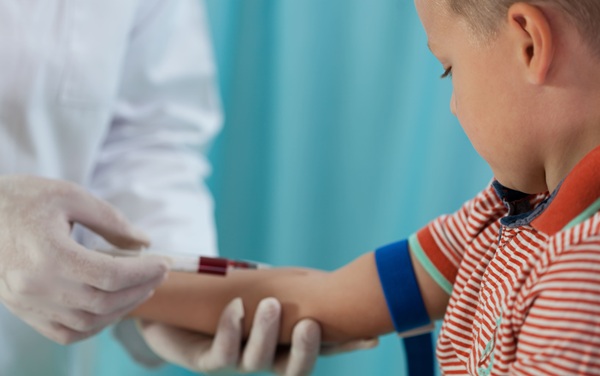
The test represents an expanding role for molecular diagnostics in transplant medicine, enabling real-time monitoring through a simple blood draw. Early identification of graft injury could allow clinicians to adjust immunosuppressive therapy, increase surveillance, or perform targeted diagnostic evaluations sooner. Ongoing research is exploring the use of dd-cfDNA testing in liver and lung transplant recipients and investigating methods to distinguish between different causes of graft injury, potentially improving diagnostic precision in the future.
“This new test functions as an early warning system, providing real-time insight into transplant health using a simple blood draw,” said co-author Julianne Szczepanski, MD, FCAP, clinical instructor, Pathology, University of Michigan Health.
Related Links:
College of American Pathologists (CAP)
University of Michigan Health




.jpg)