Blood Test Predicts Immunotherapy Response in Head and Neck Cancer
Posted on 09 Jun 2026
Head and neck squamous cell carcinoma affects hundreds of thousands of people worldwide each year, yet response rates to immunotherapy remain low. Clinicians lack reliable, minimally invasive tools to determine which patients will benefit before treatment begins. Better triage could reduce exposure to side effects and ineffective care. New findings demonstrate a blood-based approach that may predict response ahead of therapy.
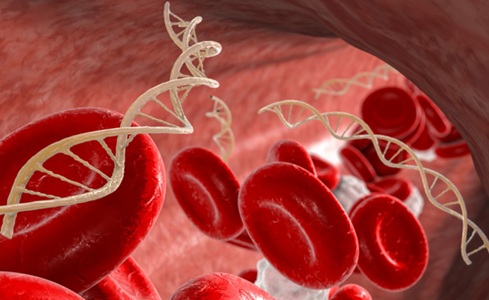
In a Northwestern Medicine study, investigators developed a blood test and scoring system that interrogates patterns in cell-free DNA (cfDNA) circulating in plasma. Unlike mutation-centric liquid biopsies, the method evaluates genome-wide cfDNA fragmentation features shed by both tumor and immune cells. By capturing signals from these interacting compartments, the assay is designed to stratify likely responders to immune checkpoint therapy.
The study analyzed 185 longitudinal blood samples from 68 patients with head and neck squamous cell carcinoma who were enrolled in a multi-institutional phase II clinical trial of pembrolizumab, an immune checkpoint inhibitor. Samples were collected before and after surgery, enabling investigators to monitor changes in cfDNA patterns through therapy. A machine learning model incorporated the scoring system to estimate response probability across multiple settings.
The approach distinguished responders from non-responders and outperformed existing biomarkers in the cohort. When integrated into the machine learning framework, predictive accuracy remained high, and patients classified as likely responders experienced improved disease-free survival. The findings were published in the Journal of Clinical Investigation in 2026, and the authors noted that larger, independent validations are needed before broad implementation; exploratory work is also underway to assess applicability beyond head and neck cancer.
“Only about one in five patients with head and neck cancer actually respond to immunotherapy. The rest go through months of treatment, side effects, uncertainty and anxiety, and we don't currently have a reliable way to predict who will benefit,” said Yaping Liu, Ph.D., assistant professor of Biochemistry and Molecular Genetics and assistant professor in the Ken and Ruth Davee Department of Neurology.
"We developed a simple blood test that reads patterns in the small fragments of DNA floating in the bloodstream," said Liu. "These fragments come not only from tumors but also from immune cells, so they carry information about both sides of the cancer-immune interaction."
Related Links
Feinberg School of Medicine