Blood Test Detects Testicular Cancer Missed by Standard Markers
Posted on 30 Apr 2026
Testicular cancer most often affects adolescents and young adults and is highly treatable when found early. Diagnosis can be difficult when tumors do not produce sufficient levels of standard blood-based tumor markers, complicating confirmation and care. There is a need for assays that work reliably even when conventional markers are negative. A new study shows an immune‑profiling blood test can detect germ cell tumors that standard markers miss.
Mayo Clinic researchers developed GCT‑iSIGN, a blood-based test intended to detect germ cell tumors—the most common form of testicular cancer—including cases that are negative on standard blood tests. The method surveys thousands of immune system signals in the blood simultaneously to derive a diagnostic readout. A second assay, Sem‑iSIGN, was designed to distinguish between the two main types of testicular cancer because treatment approaches can differ.
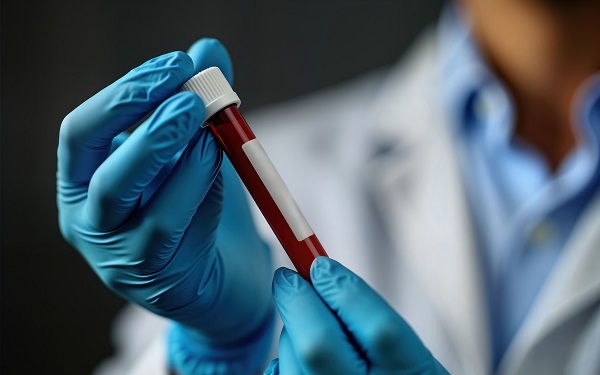
In a study of 427 blood samples, GCT‑iSIGN identified 93% of individuals who had germ cell tumors and correctly ruled out cancer in 99% of people who did not. The test also detected 23 of 24 cases that conventional blood tests failed to identify. These findings provide another way to find these cancers, especially in younger patients.
The study was published in Nature Communications on April 1, 2026, under the title “Whole‑proteome phage immunoprecipitation sequencing reveals germ cell tumor–specific immunosignature.” The work builds on earlier immune‑profiling research by the same teams that identified biomarkers linked to paraneoplastic neurologic syndrome associated with testicular cancer, including KLHL11 IgG, previously described in The New England Journal of Medicine. Mayo Clinic stated it has a financial interest in the technology and that any revenue will support its not‑for‑profit mission in patient care, education, and research.
“When standard blood markers are negative, diagnosis and treatment planning can be delayed. Our findings show a promising path toward a more sensitive blood test approach, but additional studies are needed before it can be used routinely in patient care,” said Divyanshu Dubey, M.B.B.S., senior and corresponding author of the study and a professor of laboratory medicine and pathology and a professor of neurology at Mayo Clinic.
Related Links:
Mayo Clinic