Blood Test Could Guide Drug Selection to Prevent Repeat Heart Attacks and Strokes
Posted on 22 Sep 2026
Secondary prevention after myocardial infarction or stroke relies on antiplatelet therapy, yet responses vary widely and both recurrent thrombosis and bleeding remain persistent risks. In the United Kingdom, about 200,000 heart attacks and strokes occur annually, highlighting the need to optimize treatment choices at the point of care. Personalizing therapy has been difficult without fast, actionable laboratory guidance.
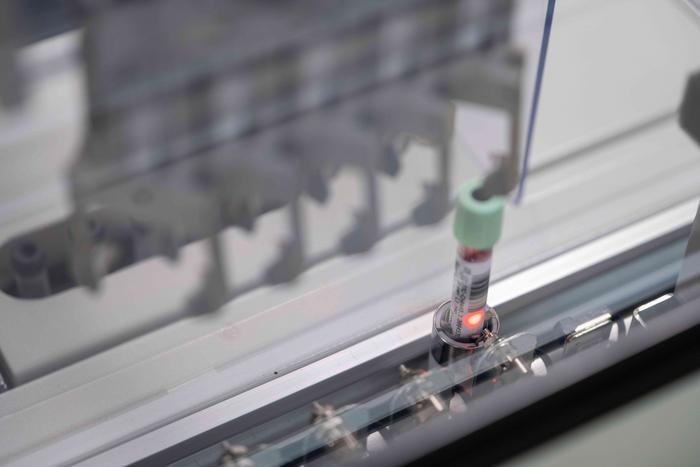
The TRIPLEcheck test, developed at the University of Reading, is designed to help clinicians select the most appropriate antiplatelet regimen to reduce the risk of recurrent heart attack or stroke. The assay uses a single small tube of blood collected alongside routine tests when a patient arrives at the hospital. By indicating whether platelet clumping is likely to persist or bleeding risk is more prominent, the test may help guide decisions to intensify or de-escalate antiplatelet therapy.

TRIPLEcheck was designed using data from around 650 healthy volunteers and was subsequently checked on 350 patients with heart disease. A new British Heart Foundation trial has begun and will recruit an additional 400 patients who have experienced a heart attack to demonstrate the test’s use in clinical care. The developers state that this approach aims to align therapy choice with each patient’s measured risk profile at presentation.
The announcement is set against ongoing cardiovascular disease burdens, which account for roughly one-third of global deaths—about 20 million annually—and affect more than 500 million people. In the UK, cardiovascular disease causes around 170,000 deaths each year. While antithrombotic therapies have helped reduce national cardiovascular mortality by three-quarters over the past 60 years, progress has recently stalled, underscoring the rationale for tools that refine prescribing decisions.
A University of Reading spin-out, HaemAnalytica, aims to introduce TRIPLEcheck into hospitals within five years.
“For decades, every patient has been given the same drugs at the same strength, even though scientists know that patients' platelets respond differently to medication from person to person. Our inability to give the right medication to the right patient is part of why second heart attacks and strokes keep happening,” said Professor Jon Gibbins, who led the work at the University of Reading.
“TRIPLEcheck lets us measure each patient's risk before we choose their treatment, making medicines safer and more effective. Our trial could improve the treatment of heart attacks and strokes worldwide, preventing hundreds of thousands of deaths and saving the NHS millions of pounds every year.”
Related Links
University of Reading