Blood Protein Panel Supports Monitoring of Treated Celiac Disease
Posted on 13 Oct 2026
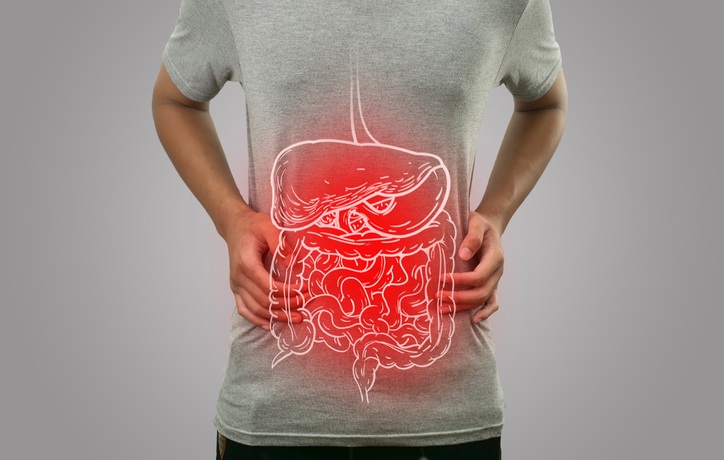
Celiac disease is an autoimmune condition in which gluten triggers intestinal inflammation that can damage the gut and impair nutrient absorption. Even with a gluten-free diet, some patients may continue to have underlying inflammation or intestinal injury that is not clearly reflected by current blood tests.
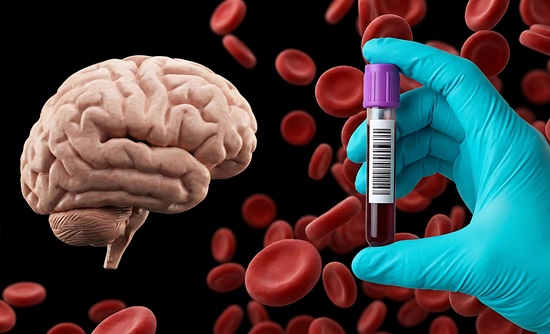
The University of Oslo-led study evaluated targeted serum proteomics as a way to assess disease activity in celiac disease. Proteomics allows large numbers of proteins to be analyzed simultaneously in blood samples, and the researchers investigated whether circulating proteins could serve as biomarkers of intestinal inflammation, healing, and the extent of gut damage.
The study analyzed 264 blood and tissue samples from people with celiac disease, collected before treatment and after one year on a gluten-free diet. Samples from people without celiac disease were also examined. The samples were collected at Rikshospitalet between 2018 and 2024, with participants’ consent for research use.
The team identified 24 proteins associated with celiac disease. Nine proteins were particularly linked to the extent of intestinal damage and may indicate disease progression. People with untreated celiac disease had the highest levels of inflammatory proteins, while healthy individuals had the lowest. Protein levels also differed before and after treatment, suggesting that blood proteins may provide information about inflammation and healing in the gut.
The current blood test used in monitoring measures anti-tissue transglutaminase immunoglobulin A antibodies and total immunoglobulin A levels. The researchers stated that biomarker-based tests should not replace current methods, but could complement serology. The findings were published in Gastroenterology, with institutions including the University of Oslo, the Norwegian Coeliac Disease Research Centre, Oslo University Hospital, and Rikshospitalet.
“There is potential for tests based on these new biomarkers to be used alongside serology, which is the test used today and which does not distinguish clearly enough between ongoing intestinal damage and healing,” said Knut E.A. Lundin, MD, PhD, Professor of Medicine and Head of Clinical Education, Faculty of Medicine at the University of Oslo’s Faculty of Medicine.
Related Links
University of Oslo
Oslo University Hospital