Blood-Based Diagnostic Method Could Identify Pediatric LRTIs
Posted on 17 Dec 2025
Lower-respiratory tract infections (LRTIs) are a leading cause of illness and death worldwide, and pneumonia is the leading infectious cause of death in children under five, claiming the lives of over 700,000 children each year globally. Diagnosing pediatric LRTIs can be complicated due to the difficulty of acquiring lower respiratory specimens, such as sputum, for diagnostic testing. Generally, more invasive sample collection methods are needed to obtain samples from the airways, such as bronchoscopy or deep suctioning.
Due to the lack of widespread rapid diagnostic testing for LRTI, broad-spectrum antibiotics are often prescribed before confirmation of infection and identification of the infectious agent. As a result, the patient may not receive treatment tailored to their infection, and treatment in the absence of diagnosis can contribute to overuse of antibiotics and rising patterns of resistance to current antibiotic therapies.
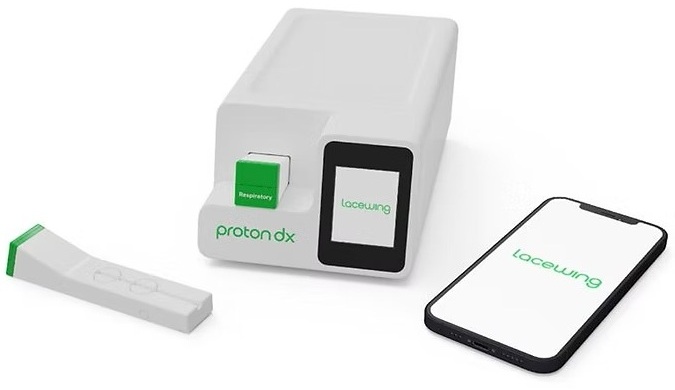
ProtonDx (London, UK;), in collaboration with Imperial College London (London, UK), has now initiated a project to evaluate whether blood can serve as a reliable sample type for diagnosing pediatric LRTIs, avoiding the need for invasive airway sampling. The project will evaluate RNA biomarkers of the body’s immune response to infection and translate them to gene-based assays that can be used to deliver rapid clinical decision-making in emergency and remote care settings for the treatment of pediatric LRTIs.
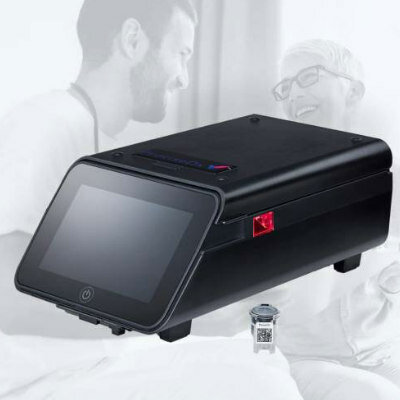
The assays may be developed further as the foundation for blood-based pediatric LRTI testing on ProtonDx’s point-of-care (POC) molecular platform, called Lacewing, which combines high-purity nucleic acid extraction, real-time isothermal amplification (qLAMP), and lab-on-a-chip electrochemical sensors (eLAMP). The portable POC device is capable of identifying bacterial infections in less than 20 minutes using just a drop of blood.
Unlike traditional diagnostics, Lacewing reads the patient's immune response to determine the source and severity of illness rather than identifying specific pathogens. This approach can accelerate the detection of infections, enabling timely and appropriate treatment and helping to curb unintentional misuse of antibiotics - a key factor in the fight against AMR, which could claim 10 million lives every year by 2050.
ProtonDx has validated the technology for the detection of infections with multiple pathogens, including SARS-CoV-2, dengue virus, and Klebsiella spp. Combating Antibiotic-Resistant Bacteria Biopharmaceutical Accelerator (CARB-X) has awarded ProtonDx USD 1 million in seed funding to evaluate whether blood can be used as a suitable sample type for diagnosing pediatric LRTIs.
“Rapid, reliable diagnostics are essential to ensuring that children with lower-respiratory tract infections receive the right treatment quickly, while also helping to reduce the misuse of antibiotics,” said Richard Alm, Interim Chief of R&D at CARB-X. “We look forward to evaluating whether ProtonDx’s blood-based approach has the potential to provide clinicians with actionable results at the point of care.”
“This CARB-X grant recognizes the urgent need for less-invasive sample types to facilitate accurate diagnosis in pediatric care,” added Nick Moser, co-founder and Chief Technology Officer of ProtonDx. “By combining our portable Lacewing technology with Imperial College London’s biomarker expertise, we aim to deliver a rapid, precise diagnostic assay from blood samples that can save lives, reduce unnecessary antibiotic use, and help combat antimicrobial resistance.”
Related Links:
ProtonDx
Imperial College London