Blood Antibody Linked to Lower Depression and PTSD Symptoms After Brain Injury
Posted on 16 Sep 2026
Traumatic brain injury (TBI) is associated with a two- to four-fold increase in risk for depression, anxiety, and post‑traumatic stress disorder (PTSD), yet many patients do not develop psychiatric symptoms. Blood‑based markers that flag resilience or vulnerability could enable earlier risk stratification and targeted follow‑up after head trauma. A new study now links higher levels of a naturally occurring anti‑NMDAR1 antibody to lower depression and PTSD symptoms after TBI.
Researchers at University of California San Diego School of Medicine and Veterans Affairs San Diego Healthcare System identified the naturally occurring anti‑NMDAR1 antibody as a potential protective immune marker following TBI. Among active‑duty U.S. Marines with a lifetime history of TBI, those in the top quarter of anti‑NMDAR1 levels had about 25% lower depression symptom scores and 22% lower PTSD symptom scores after deployment than those with lower levels. Participants with higher levels were also significantly less likely to report moderate‑to‑severe depression and used fewer psychiatric medications.
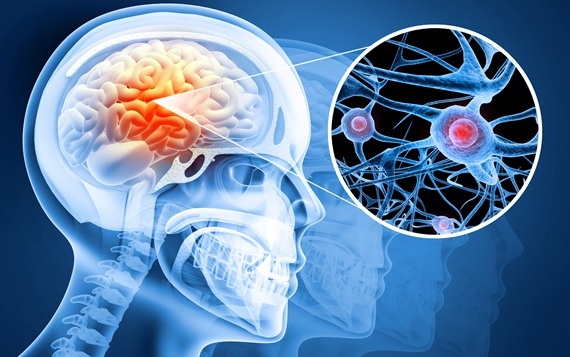
The analysis included 1,025 Marines with blood sampling and clinical psychiatric assessments before and after a seven‑month combat deployment to Afghanistan between 2011 and 2013. Anti‑NMDAR1 antibodies were detectable for more than one year, suggesting that high levels may represent a relatively long‑term trait. No association was observed between anti‑NMDAR1 levels and anxiety. The findings, part of the Marine Resiliency Study II, are published in Molecular Psychiatry.
Anti‑NMDAR1 targets N‑methyl‑D‑aspartate (NMDA) receptors involved in memory and learning. The researchers hypothesize that, in Marines, the naturally occurring antibody is predominantly immunoglobulin M (IgM), a large molecule that may not enter synaptic gaps; instead, it could block extra‑synaptic NMDA receptors that drive brain damage following TBI. In mouse experiments, smaller immunoglobulin G (IgG) anti‑NMDAR1 impaired memory, whereas larger IgM appeared to protect it. Ketamine, an FDA‑approved treatment for depression and PTSD, also blocks NMDA receptors but has short‑lived effects. The authors caution that these human findings are correlational and require further study.
“We were excited to find that a naturally-occurring immune marker could act almost like a built-in protective factor against some of the most disabling consequences of brain injury. If we can understand how these antibodies work, it may open a new path toward identifying who is most at risk after a TBI, and eventually, toward new ways to intervene,” said co-senior author Victoria B. Risbrough, PhD, professor and vice chair of academic affairs in the Department of Psychiatry at UC San Diego School of Medicine and VA Research Career Scientist at VA San Diego Healthcare System.