






SARS Pathogen Detection Resequencing Array
By Biotechdaily staff writers
Posted on 13 May 2003
A new array that resequences the entire 29,700 base pairs in the severe acute respiratory syndrome (SARS) virus is designed to enable scientists to rapidly re-sequence different isolates of the virus to better understand variations associated with the spread of the virus and increased virulence.Posted on 13 May 2003
The CustomSeq SARS array can be used by researchers to determine DNA sequence variation, to categorize different isolates into subtypes, and to learn which strains are the most dangerous by comparing patient outcomes and pathogen subtypes, thereby discovering key factors for developing therapies. Epidemiologists can use the array to study how the virus is evolving over time, during its spread to different regions and populations.
One Custom Seq array can sequence about 30,000 bases of unique sequence quickly and with a high degree of accuracy, states Affymetrix, Inc. (Santa Clara, CA, USA), which developed the array. The array is based on the company's GeneChip platform and on sequences obtained from public health centers in Canada, the United States, and Asia.
"We hope that by getting this powerful CustomSeq array into the hands of scientists, we can contribute to understanding SARS and the search for treatments,” said Greg Yap, senior marketing director, DNA analysis, at Affymetrix.
Related Links:
Affymetrix




Platinum Member

Automated Coagulation Analyzer
Hemolumi H6
Gold Member

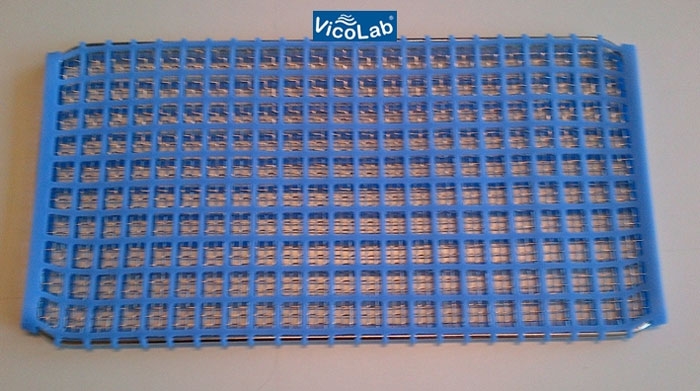
NEW PRODUCT : SILICONE WASHING MACHINE TRAY COVER WITH VICOLAB SILICONE NET VICOLAB®
REGISTRED 682.9

New
Silver Member

Connectivity Solution
EKF Link
New

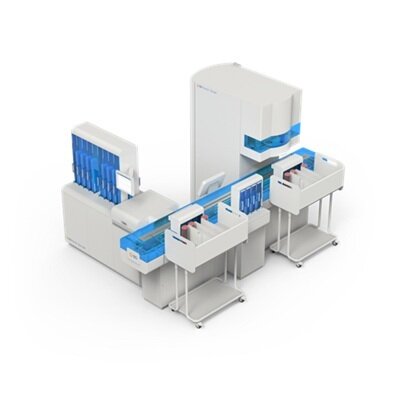
Microbiology Laboratory Automation Solution
BD Kiestra™ ReadA+BarcodA


