Astrocytes Digest Alzheimer's Beta-Amyloid Peptides
By Biotechdaily staff writers
Posted on 17 Mar 2003
A study has found that brain cells called astrocytes are capable of digesting beta-amyloid peptides, which form the plaques that cause death of neurons in the brains of individuals with Alzheimer's disease. The study was published March 3, 2002, in the online edition of Nature Medicine.Posted on 17 Mar 2003
The brains of Alzheimer's disease patients are characterized by the presence of beta-amyloid plaques. It has been known that microglia cells could degrade beta-amyloid in culture. However, the role of astrocytes, a different type of brain cell that migrates to regions rich in beta-amyloid, was not known.
Investigators from Columbia University (New York, NY, USA) and Stanford University (Stanford, CA, USA) found that astrocytes ingested beta-amyloid when cultured adult mouse astrocytes were placed onto brain tissue taken from a mouse Alzheimer's model. The astrocytes reduced the amount of beta-amyloid in the brain tissue by 40% during the 24-hour experiment.
"This is the first study to show that astrocytes can remove beta-amyloid deposits from brain tissue,” explained senior author Dr. Jens Husemann, associate research scientist in the department of physiology and cellular biophysics at Columbia University.
While the authors suggested that increasing the beta-amyloid degradation activity of astrocytes might have therapeutic applications in Alzheimer's, they cautioned that other astrocyte functions may contribute to the disease. "Some people think that if the cells do not migrate to plaques, the astrocytes may not release inflammatory molecules that damage the surrounding brain tissue,” Dr. Husemann said. "It will be a delicate balancing act to stimulate plaque removal while keeping inflammation down at the same time.”




Platinum Member

Automated Coagulation Analyzer
Hemolumi H6
Gold Member

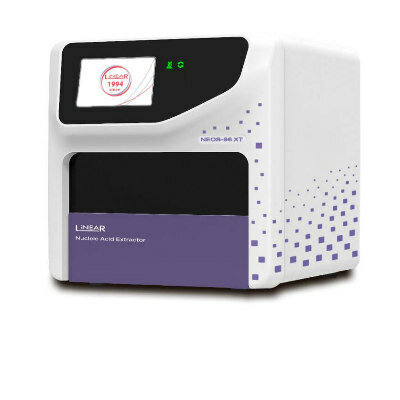
Nucleic Acid Extractor System
NEOS-96 XT
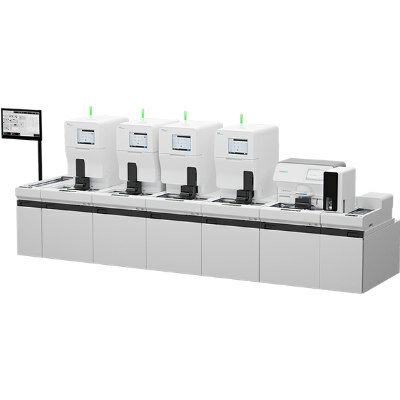

Automated Urinalysis Solution
UN-9000
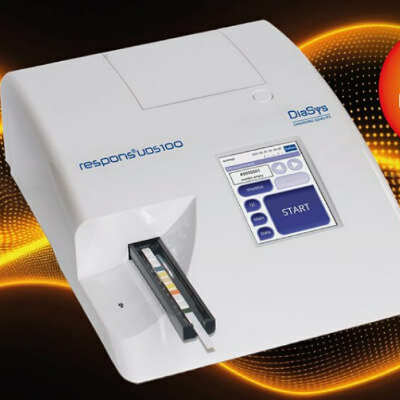

Urine Analyzer
respons® UDS100