DakoCytomation Granted License to Cancer Diagnostic
By Biotechdaily staff writers
Posted on 27 Feb 2003
A license to commercialize diagnostic applications of the monoclonal antibody MetaStain has been granted to DakoCytomation A/S (Copenhagen, Denmark) by BioStratum Inc. (Research Triangle Park, NC, USA). The license covers all patents and the hybridoma that produces the antibody.Posted on 27 Feb 2003
While studying the basal lamina, BioStratum's collaborating researchers at the Karolinska Institute (Stockholm, Sweden) discovered that laminin-5 is involved in the migration of most epithelial cells as well as epithelial-cell-derived cancers. The degree to which a tissue biopsy stains with MetaStain, a monoclonal antibody that binds to the gamma-2 chain of laminin-5, was shown to predict a cancer's invasive potential and/or metastatic potential.
"We will develop a diagnostic test that can predict the aggressiveness of a cancer, which is very important since cancer is not a single disease but many, and comes in various disguises. This will allow a more targeted treatment for the patient, thus improving the outcome,” said Jes Ostergaard, president and CEO of DakoCytomation.
Related Links:
DakoCytomation
BioStratum




Platinum Member

Automated Coagulation Analyzer
Hemolumi H6
Gold Member

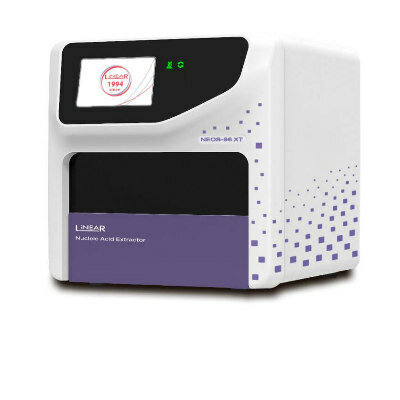
Nucleic Acid Extractor System
NEOS-96 XT
New
Silver Member

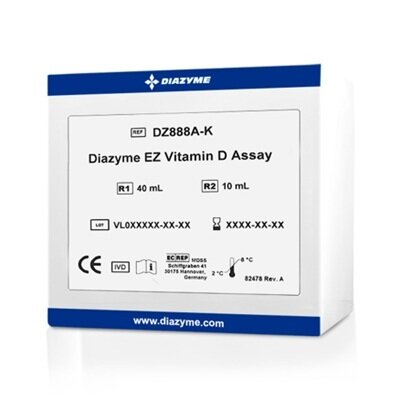
Vitamin D Assay
EZ Vitamin D Assay
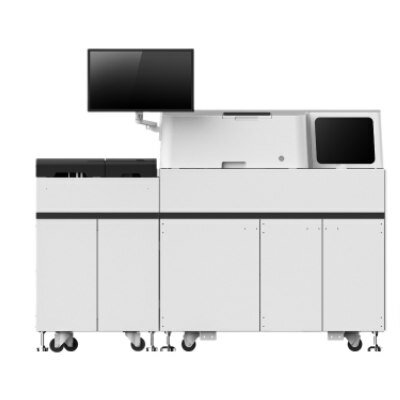
Automatic CLIA Analyzer
Shine i6000