






Monkey Herpes Virus May Lead to New Therapies
By Biotechdaily staff writers
Posted on 14 Oct 2002
A study has identified three genes in the rhadinovirus of rhesus monkeys that are structurally similar and show activity profiles comparable to those found in human herpes virus-8, also known as Kaposi's sarcoma-associated herpes virus, or KSHV. The study was published in the October 2002 issue of the Journal of Virology.Posted on 14 Oct 2002
Kaposi's sarcoma is endemic among Mediterranean (affecting 25 to 40% of the populations of Italy, Spain, Egypt, and Greece) and sub-Sahara African populations. In the last 20 years, however, the disease has occurred most frequently in people with AIDS. Research on KSHV had been hampered by the difficulty of growing the virus in tissue culture. The monkey virus, on the other hand, can be cultivated to very high titers in tissue culture and grown in large quantities. These can be used in making recombinant viruses for testing in a rhesus macaque model.
Senior author Dr. Blossom Damania, assistant professor of microbiology and immunology at the University of North Carolina School of Medicine (Chapel Hill, USA), explained, "By developing this model, we can determine the genes that are important for virus survival, viral growth and replication, and genes that enable the virus to induce malignancies in its host. Once you have established the genes that are required to do all of these things, you can start thinking about developing drug therapies against these genes to prevent virus spread and to prevent the virus from inducing cancer in its host. At the present time, most herpes viruses cannot be cured but their outbreak can be prevented. Our research will help move us toward identifying potentially better therapies.”
Related Links:
UNC School of Medicine




Platinum Member

Automated Coagulation Analyzer
Hemolumi H6
Gold Member

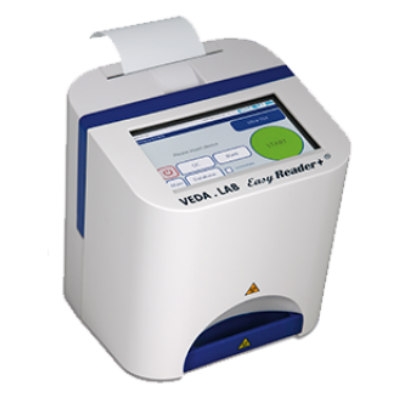
Quantitative POC Immunoassay Analyzer
EASY READER+
Gold Member

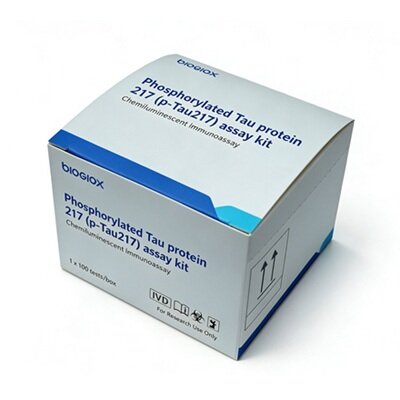
Blood-Based Protein Biomarker Solution for Alzheimer's Disease
BG-DTi2000.
New

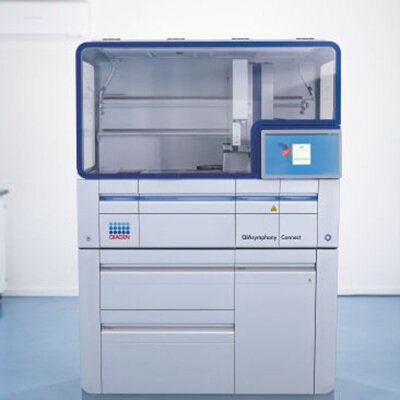
Nucleic Acid Purification Instrument
QIAsymphony Connect


