Atherogenic Role Seen for C-Reactive Protein
By Biotechdaily staff writers
Posted on 20 Sep 2002
Investigators have found that C-reactive protein (CRP) binds to oxidized low-density lipoprotein (LDL) and that this interaction may lead to the chronic inflammation and buildup of fatty deposits that characterize atherosclerotic plaques. This finding was reported in the September 9, 2002, online edition of the Proceedings of the National Academy of Sciences.Posted on 20 Sep 2002
The study showed that CRP is not merely a marker of future cardiovascular events, but that it actually binds to oxidized LDL and to dying cells. Furthermore, the researchers found that binding to CRP was through phosphocholine, which is exposed on the surface of LDL particles that have been oxidized.
CRP plays an important role in the immune response by removing pathogens, and recently CRP has been reported to be a useful marker for predicting future atherosclerotic cardiovascular events, but the basis for this correlation remains unclear. It may be that when the circulatory system is overloaded with oxidized LDL, binding to CRP causes accumulation of fatty material in macrophages. These macrophages become the "foam cells” that are found in atherosclerotic plaques.
The report's senior author, Dr. Joseph Witztum, professor of medicine at the University of California, San Diego (USA; www.ucsd.edu), pointed out that cholesterol is still a key player in coronary heart disease. He said that CRP may be working in its "correct role” as part of the immune response to the toxic oxidized LDL and may help promote its clearance.
"If you have low levels of LDL, and thus, low levels of oxidized LDL, then CRP may be of benefit,” Dr. Witztum said. "However, when there is an overwhelming accumulation of LDL, and thus oxidized LDL, in its attempt to help clear the toxic particle, the CRP may actually make things worse. It may cause more oxidized LDL to be taken up into macrophage scavenger cells, which in turn cause cholesterol accumulation.”
Related Links:
University of California, San Diego




Platinum Member

Automated Coagulation Analyzer
Hemolumi H6
Gold Member

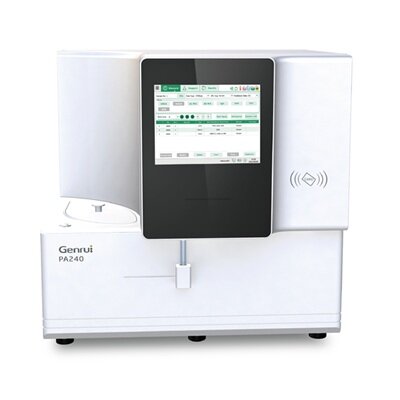
Fully-auto Specific Protein (Nephelometry) Analyzer
PA240

Manual Pipetting Aid
Pipette Controllers macro
New

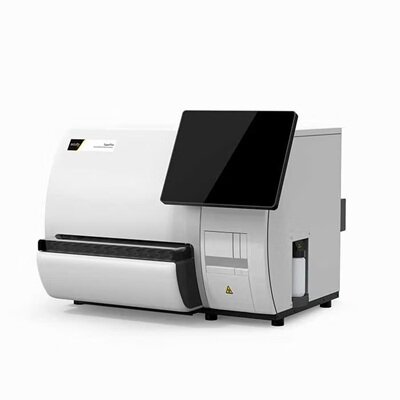
Automated Immunoassay Analyzer
SuperFlex™