






Altered Proteins Explain Apnea's Link to Hypertension
By Biotechdaily staff writers
Posted on 16 Aug 2002
Researchers have found that sleep apnea, a disorder characterized by episodic hypoxia (EH) during sleep, is associated with high blood pressure through changes in the expression of proteins that regulate vasodilation in the kidneys. The findings were reported in the July 16, 2002, online issue of the Journal of Biological Chemistry.Posted on 16 Aug 2002
Working with a rat model, investigators at the University of Louisville (KY, USA; www. louisville.edu) used a proteomics approach to study how expression of proteins in the kidneys was effected by episodic (EH) and sustained hypoxia (SH). Young male Sprague-Dawley rats were exposed to either EH or SH for 14 and 30 days. Mean arterial blood pressure was significantly increased only in EH30 (p < 0.0002).
Renal expression of kallistatin, a potent vasodilator, was down-regulated in all animals. Expression of alpha-1-antitrypsin, an inhibitor of kallikrein activation, was up-regulated in EH but down-regulated in SH. Western blotting showed significant elevation of B2-bradykinin receptor expression in all normotensive animals but remained unchanged in hypertensive animals. Proteins relevant to vascular hypertrophy, such as smooth muscle myosin and protein disulfide isomerase, were up-regulated in EH30 but were down-regulated in SH30. These data indicate that EH induced changes in renal protein expression that was consistent with impairment of vasodilation mediated by the kallikrein-kallistatin pathway and vascular hypertrophy.
The researchers measured the effect of EH on blood pressure in transgenic hKLK1 rats that overexpress human kallikrein. Transgenic hKLK1 animals were found to be protected from EH-induced hypertension. They concluded that EH-induced hypertension might result, at least in part, from altered regulation of the renal kallikrein system.
"This project shows how useful proteomics can be in discovering complex changes in proteins that lead to disease,” said Dr. Jon Klein, director of the core proteomics laboratory at the University of Louisville's School of Medicine.




Platinum Member

Automated Coagulation Analyzer
Hemolumi H6
Gold Member

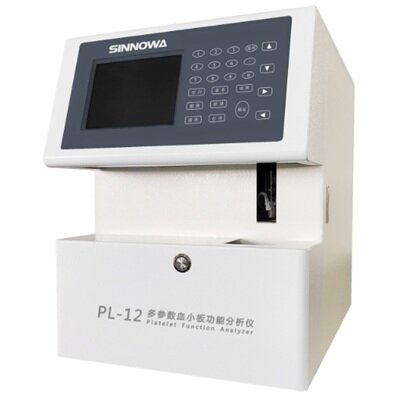
Platelet Function Analyzer
PL-12
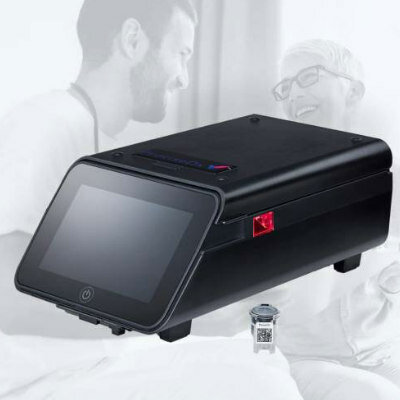

POC Immunoassay Analyzer
Procise DX
Gold Member

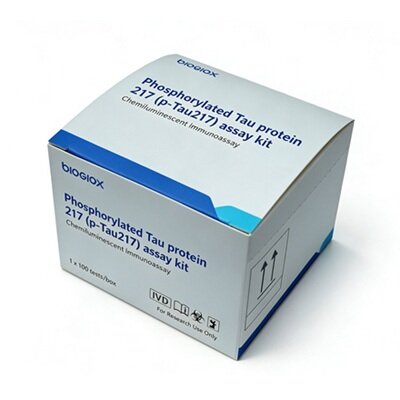
Blood-Based Protein Biomarker Solution for Alzheimer's Disease
BG-DTi2000.


