






New Drug Candidate for Treating Diabetes
By Biotechdaily staff writers
Posted on 05 Aug 2002
In preclinical studies, an orally active small molecule compound was shown to activate insulin receptors and cause enhanced glucose transport into muscle and liver cells and cause improvement in blood sugar levels in animal models of diabetes.Posted on 05 Aug 2002
The compound (TLK19781) is an insulin receptor activator being developed by Telik, Inc. (S. San Francisco, CA, USA), using its proprietary Trap drug discovery technology that aids the rapid and efficient discovery of small molecule candidates. The company has received notices of allowance on three US patents pending that cover the composition of matter and uses of these and other insulin receptor activator compounds. Telik has retained worldwide commercial rights to the compound and its other insulin receptor activator compounds except in Japan and other Asian countries, where its partner, Sanwa Kagaku Kenkyusho Co., Ltd., has exclusive rights.
Telik's most advanced drug development candidate is TLK286, a tumor-activated small molecule drug now in phase 2 clinical trials for treating ovarian, nonsmall cell lung, colorectal, and breast cancer.
"We believe these patents, along with others that have been issued or filed, provide an excellent intellectual property base to support our development program,” said Robert T. Lum, Ph.D., vice president, preclinical development, Telik.
Related Links:
Telik




Platinum Member

Automated Coagulation Analyzer
Hemolumi H6
Gold Member

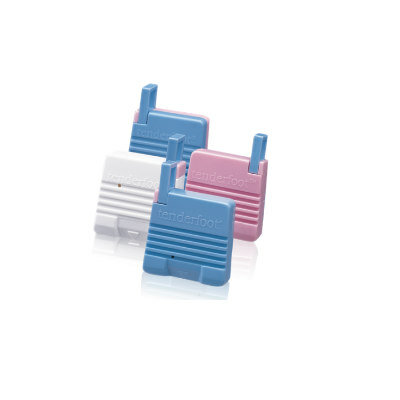
Neonatal Heel Incision Device
Tenderfoot
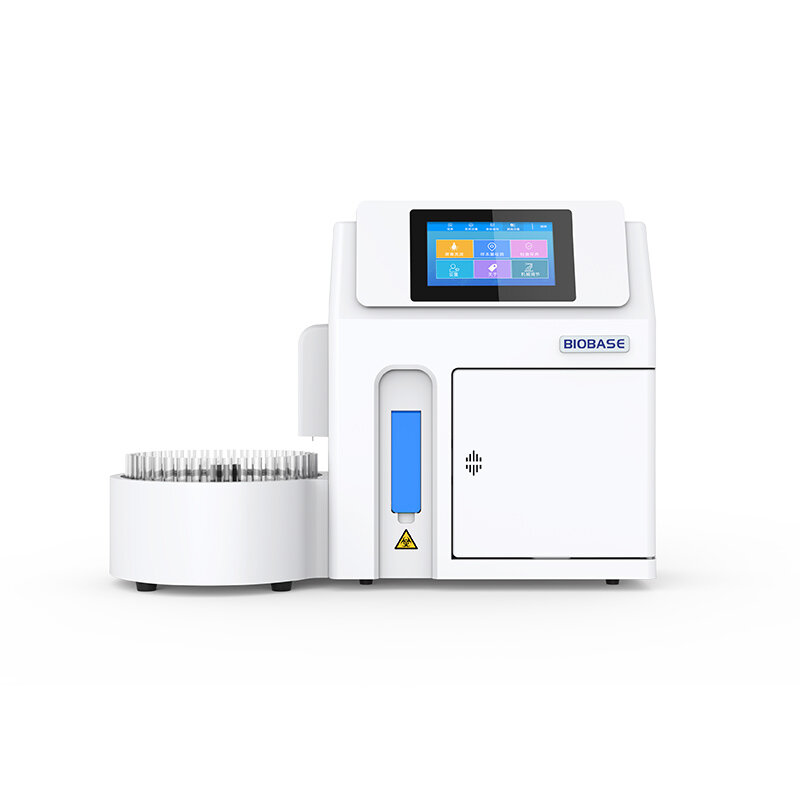
Electrolyte Analyzer
BKE-B
Platinum Member
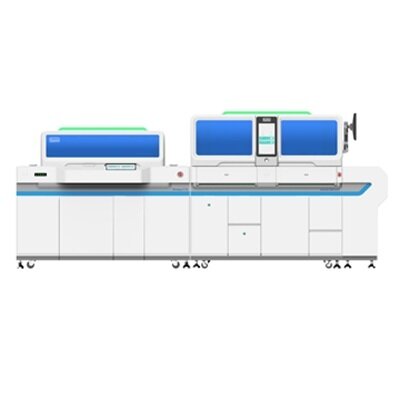
Integrated Biochemical & Immunological System
Biolumi CX Solution X10+C10


