






Gene Expression Defines Liver Cancer
By Biotechdaily staff writers
Posted on 20 Jun 2002
Investigators using cDNA microarrays to characterize patterns of gene expression in hepatocellular carcinoma (HCC) found consistent differences between the expression patterns in HCC compared with those seen in nontumor liver tissues and were able to distinguish HCC from tumors metastatic to the liver. The study was published in the June 2002 issue of Molecular Biology of the Cell.Posted on 20 Jun 2002
The researchers, from Stanford University Medical Center (Palo Alto, CA, USA; www-med.stanford.edu), isolated RNA samples from more than 200 normal and tumor specimens. They labeled the RNA samples with a fluorescent tag and then exposed them to cDNA microarrays comprised of DNA spots from 17,400 human genes. By comparing the pattern of fluorescent spots, the researchers could determine which genes were being expressed at either high or low levels in the tumor samples.
They found consistent differences between the expression patterns in HCC compared with those seen in nontumor liver tissues. The expression patterns in HCC were also readily distinguished from those associated with tumors metastatic to the liver. The global gene expression patterns intrinsic to each tumor were sufficiently distinctive that multiple tumor nodules from the same patient could usually be recognized and distinguished from all the others in the large sample set on the basis of their gene expression patterns alone.
The distinctive gene expression patterns were characteristic of the tumors and not the patient; the expression programs seen in clonally independent tumor nodules in the same patient were no more similar than those in tumors from different patients.
"There is a real opportunity to use this information to develop better and cheaper tests for diagnosis and treatments,” said Dr. Samuel So, associate professor of surgery and director of Stanford's Asian Liver Center. A screening test would be of particular benefit to Asian and Pacific Island populations, which have roughly 10 times the risk of liver cancer than Caucasians because of high rates of chronic hepatitis B infection.
Related Links:
Stanford University Medical Center




Platinum Member

Automated Coagulation Analyzer
Hemolumi H6
Gold Member

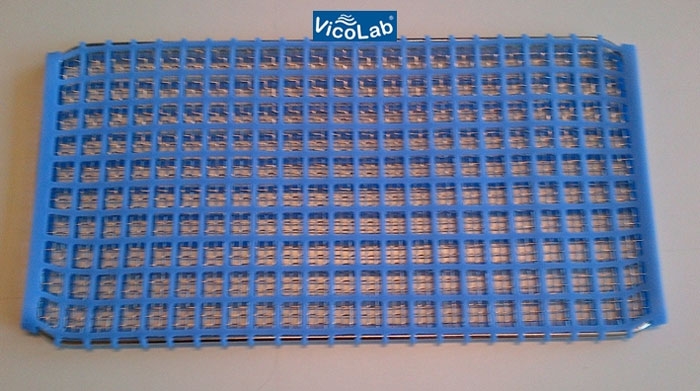
NEW PRODUCT : SILICONE WASHING MACHINE TRAY COVER WITH VICOLAB SILICONE NET VICOLAB®
REGISTRED 682.9

Automatic CLIA Analyzer
Shine i6000

New
Silver Member

Vitamin D Assay
EZ Vitamin D Assay


