Rotavirus Replication Protein Identified
By Biotechdaily staff writers
Posted on 09 Jun 2002
A non-structural protein component of the rotavirus virion has been identified as being the motive force behind reproduction of the virus within its host cell. The NSP2 protein is of a type common to all double-stranded RNA viruses and represents a potential target for anti-viral drug therapy. These findings were published in the May 16, 2002, online issue of Nature.Posted on 09 Jun 2002
A vaccine against rotavirus, which is the major cause of diarrhea in infants and young children, was withdrawn in 1999 after serious side effects were discovered. The new study conducted by researchers from Baylor University (Waco TX, USA; www.baylor.edu) has provided new insights into how the virus reproduces itself and suggests an alternative approach for vaccine development.
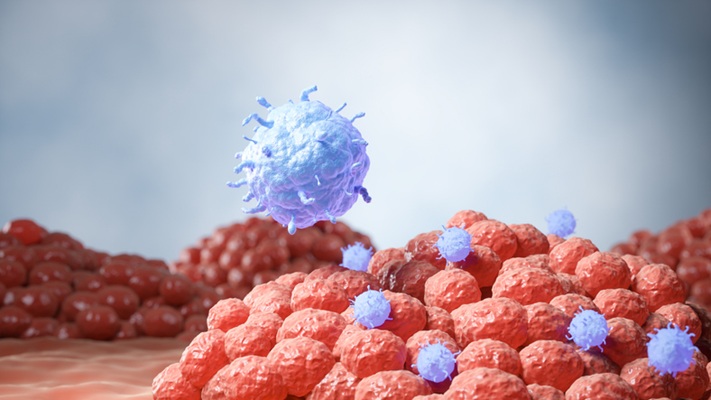
The researchers found that the NSP2 protein is central to the synthesis of a single strand of RNA, which provides the template for making the double-stranded RNA that contains the virus' genetic code. New virus particles incorporate the double-stranded RNA, and the virus continues to reproduce until the host cell is destroyed. The freed virus particles then spread to other cells to continue the process.
Dr. B.V. Venkataram Prasad, a professor in Baylor's department of biochemistry and molecular biology, explained that understanding the role of NSP2 has opened new possibilities for the development of anti-viral drugs. "Interfering with the action of a protein like NSP2 could stop the virus in its tracks,” said Prasad.
Related Links:
Baylor University




Platinum Member

Automated Coagulation Analyzer
Hemolumi H6



Automatic CLIA Analyzer
Shine i6000

Gold Member

Serum Indices Control
Acusera Serum Indices Control