






Molecular Changes in Sleep Apnea Linked to Atherosclerosis
By Biotechdaily staff writers
Posted on 23 May 2002
Researchers have found evidence at the molecular level that atherosclerosis may be initiated or aggravated in people suffering from sleep apnea, a disorder characterized by the temporary cessation of breathing during sleep. The findings were published in the April 1, 2002 issue of the American Journal of Respiratory and Critical Care Medicine.Posted on 23 May 2002
"We found that white blood cells of sleep apnea patients show a large increase in the amount of adhesion molecules that appear on the surface of the cells. These molecules are responsible for the atherogenic processes that thicken artery walls,” said Dr. Lena Lavie of the Technion Institute of Technology (Haifa, Israel). "We also saw these white blood cells produced more free radicals, which damage the endothelial cells lining the vessel walls, which, in turn, play a crucial role in maintaining healthy blood vessels, and therefore also contribute to the formation of atherosclerosis.”
The researchers mixed white blood cells from sleep apnea patients with normal human endothelial cells growing in tissue culture. After one hour, the white blood cells attached themselves firmly to the endothelial cells in the medium. In a control experiment it was found that white blood cells from normal individuals did not attach to endothelial cells. This difference was attributed to increased numbers of adhesion molecules in the cell membranes of the white cells from the sleep apnea patients. Normal white blood cells lack these adhesion molecules as do white blood cells of sleep apnea sufferers who were effectively treated with continuous positive air pressure (CPAP), which delivers air into patients' airways through specially designed nasal masks.
"If the firm binding of white blood cells to endothelial cells in the test tube is what happens in the blood of sleep apnea patients every night, then this may be significant evidence that sleep apnea is associated with an active process of atherosclerosis that inflicts damage on the endothelial cells and may lead to increased risk for cardiovascular diseases,” Dr. Lavie explained.
The next step, she said, is to examine whether effective treatment of sleep apnea can abort or even reverse this process and thereby reduce the risk of cardiovascular diseases in sleep apnea patients.
Related Links:
Technion Institute of Technology




Platinum Member

Automated Coagulation Analyzer
Hemolumi H6
Gold Member

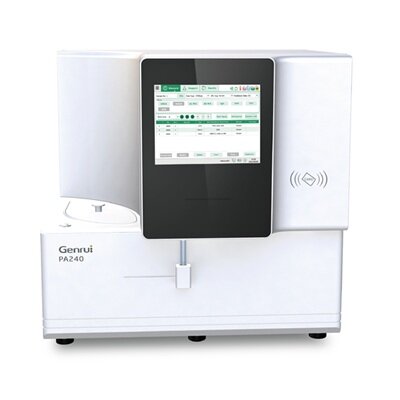
Fully-auto Specific Protein (Nephelometry) Analyzer
PA240
New

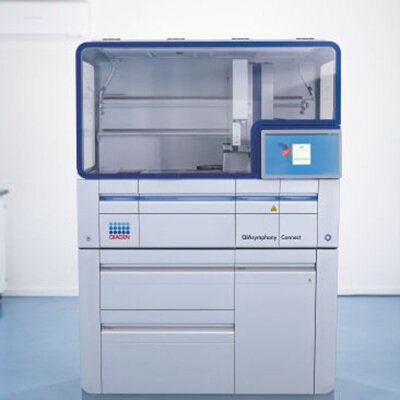
Nucleic Acid Purification Instrument
QIAsymphony Connect
New
Gold Member

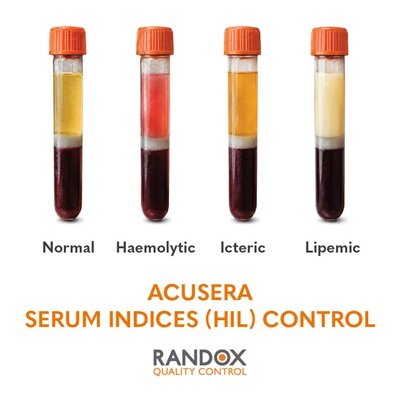
Serum Indices Control
Acusera Serum Indices Control


