






Researchers Create Novel DNA-Repair Enzyme
By Biotechdaily staff writers
Posted on 23 May 2002
Data from the Human Genome Project has been used by scientists to synthesize a human DNA repair enzyme. The human genome was scanned to find sequences similar to those known to code for DNA repair enzymes, known as glycosylases, in E coli bacteria.Posted on 23 May 2002
After identifying two such sequences, researchers from the University of Texas Medical Branch (Galveston, USA; www.utmb.edu) and colleagues from other institutions then used one of them to produce a previously unknown protein, which proved able to function as a glycosylase when tested on damaged DNA in vitro. This glycosylase, which they named NEH1, is the first to be discovered of a new class of mammalian DNA repair enzymes. This research was reported in the March 19, 2002 issue of the Proceedings of the National Academy of Sciences.
NEHI possesses two characteristics that enhance its effectiveness in repairing oxidative damage. First, NEH1 may work on the small, critical portion of human DNA that is actually active. Second, cells produce far more NEH1 when their DNA is replicating, as if to catch any errors introduced by oxidative stress before they are passed on to the next generation.
"This replication coupling is fascinating,” Mitra says, "and so is the way in which the repair of active genes is different from the repair of the bulk of the genome.” The researchers also examined human tissues for NEH1, seeking to determine its relative level in different organs of the body. They found that messenger RNA coding for NEH1 was highest in the liver, pancreas and thymus.
Related Links:
University of Texas Medical Branch




Platinum Member

Automated Coagulation Analyzer
Hemolumi H6
Gold Member

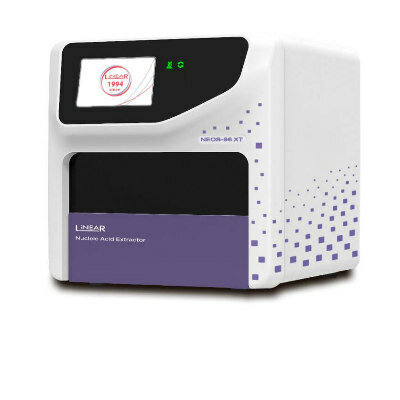
Nucleic Acid Extractor System
NEOS-96 XT

LAIR2 Antibody Pair Set
LAIR2 Antibody Pair [Biotin]
Platinum Member
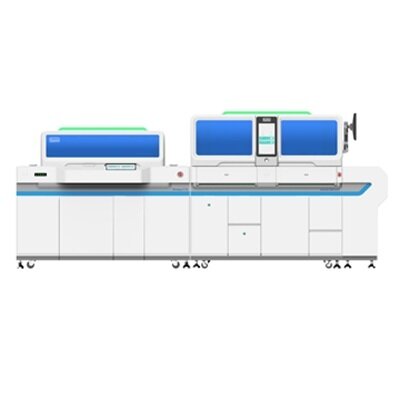
Integrated Biochemical & Immunological System
Biolumi CX Solution X10+C10


