Alliance for Genetic Variation Discovery System
By Biotechdaily staff writers
Posted on 21 May 2002
A multiyear collaboration has been announced by the Max Planck Institute for Molecular Genetics (Berlin, Germany) and Transgenomic, Inc. (Omaha, NE, USA) for the development of a system for high-throughput genetic variation discovery. Posted on 21 May 2002
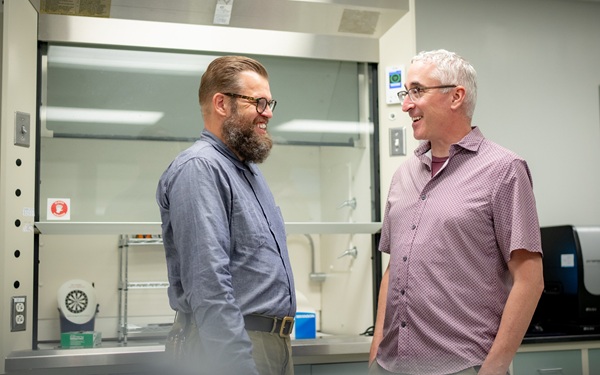
Funded by the German National Genome Research Network and incorporating Transgenomic technology, the system developed will provide researchers with a better tool to attack large-scale genetic variation studies. These are essential for developing associations between genetic variation and diseases, which will allow biopharmaceutical companies to develop diagnostic tools and gene-based therapies, says Transgenomic. The work is to be performed in the department of Prof. Hans Lehrach of the Max Planck Institute.
"The Transgenomic technology should contribute to an eloquent solution for the high-throughput analysis needs, not only by its function but also by its economical nature,” said Dr. Lehrach, director of the department of vertebrate genomics.
Related Links:
Transgenomic
Max Planck Inst.




Platinum Member

Automated Coagulation Analyzer
Hemolumi H6
Gold Member

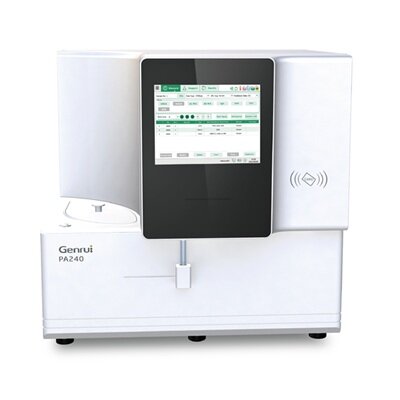
Fully-auto Specific Protein (Nephelometry) Analyzer
PA240


POC Immunoassay Analyzer
Procise DX
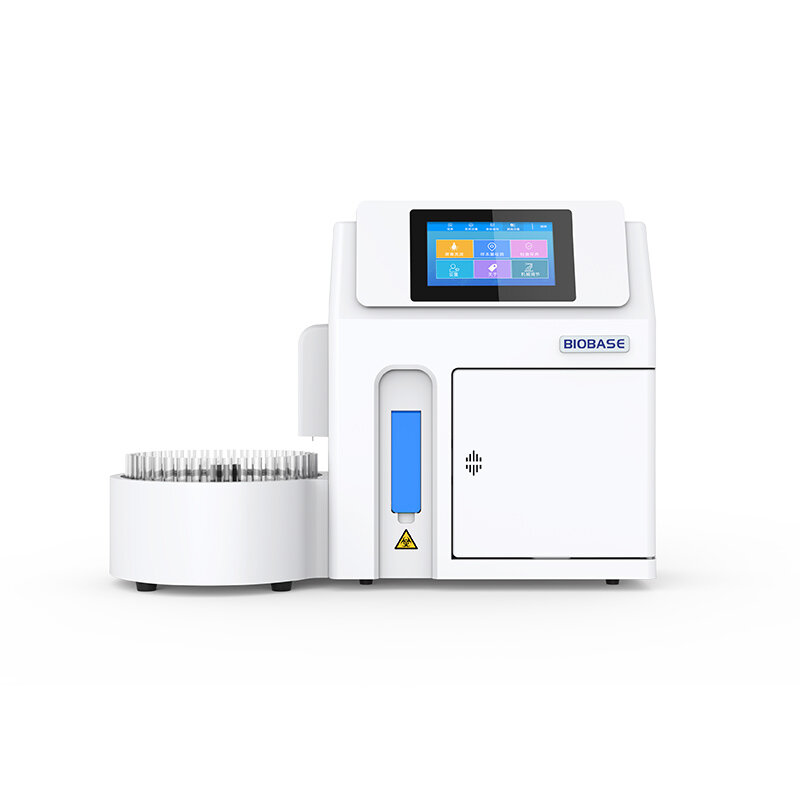

Electrolyte Analyzer
BKE-B