


Personalized Medicines Under Development
By Biotechdaily staff writers
Posted on 21 May 2002
New compounds with genetic markers that define the patient population that responds best to the medication and have a superior safety profile are now being developed.Posted on 21 May 2002
These new personalized medicine compounds are being developed by Genaissance Pharmaceuticals, Inc. (New Haven, CT, USA), based on the company's HAP technology. The first two drug candidates are HAP-clozapine for schizophrenia and HAP-Statin for cholesterol management. Compared to traditional drug development, the company says its HAP drug strategy is a rapid, lower-risk process to select compounds for entry into late phase clinical trials.
The company's goal is to create superior products from drugs that were previously undifferentiated, had an unpredictable safety profile, had a narrow therapeutic window, or whose patent had expired. The company's process starts with the identification of pipeline or off-patent compounds that meet the above criteria. The company then conducts phase II-sized clinical association studies to identify the genetic marker(s) that are predictive of drug safety and efficacy.
"Genaissance is planning to use its technology platform to leapfrog some of the costly and time-consuming drug discovery and development steps,” said Kevin Rakin, president and CFO.
Related Links:
Genaissance



Platinum Member

Automated Coagulation Analyzer
Hemolumi H6
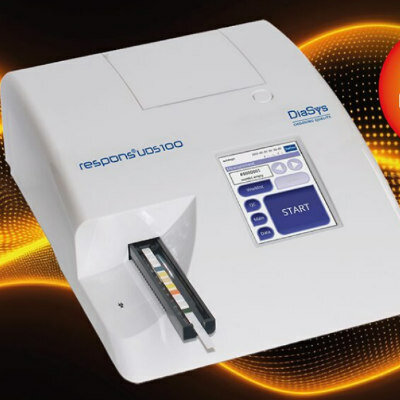

Urine Analyzer
respons® UDS100
New
Gold Member

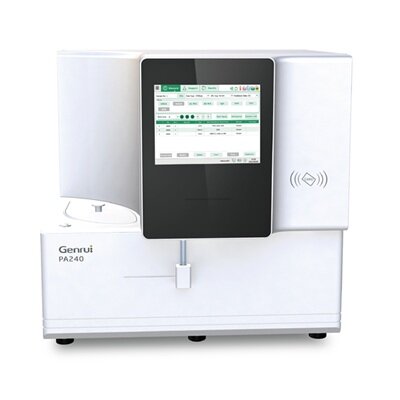
Fully-auto Specific Protein (Nephelometry) Analyzer
PA240