Novel Filtration System Removes Proteins and Phospholipids from Analytical Samples
By LabMedica International staff writers
Posted on 03 Feb 2014
Biotechnology and other life science researchers now have available a novel filter system that removes both proteins and phospholipids, which leaves samples ready for LC-MS/MS (liquid chromatography-mass spectroscopy) analysis.Posted on 03 Feb 2014
The Biotage (Uppsala, Sweden) ISOLUTE PLD+ plate combines protein and phospholipid removal from blood-based matrix samples and provides simple and effective cleanup for LC-MS/MS analysis. According to the manufacturer, ISOLUTE PLD+ plates remove more than 99% of plasma proteins and phospholipids, the main causes of ion suppression, leading to cleaner extracts and increased sensitivity, signal-to-noise, for a broad range of analytes.
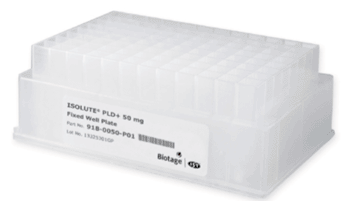
Image: The ISOLUTE PLD+ protein and phospholipid removal plate (Photo courtesy of Biotage).
ISOLUTE PLD+ plates are available in standard 96-well format and can handle sample volumes of 100 to 200 microliters. Operation of the ISOLUTE PLD+ plate includes a filtration step that can be accomplished with a 96-well compatible positive pressure manifold (such as the Biotage Pressure+ 96), a vacuum manifold (for example the Biotage VacMaster 96) and most automated liquid handling systems.
“Requiring next to no method development, ISOLUTE PLD+ can be integrated quickly and easily into routine workflow, increasing productivity and reducing instrument downtime,” said Paul Roberts, analytical product manager at Biotage.
Related Links:
Biotage




Platinum Member

Automated Coagulation Analyzer
Hemolumi H6
Gold Member

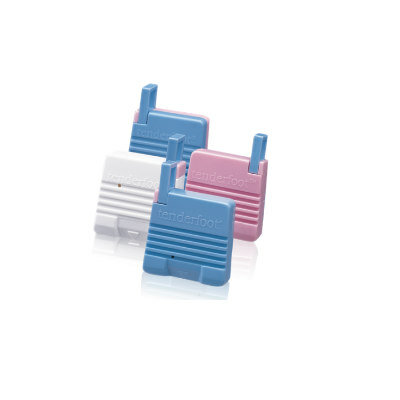
Neonatal Heel Incision Device
Tenderfoot

Automatic CLIA Analyzer
Shine i6000


Automated Clinical Chemistry Analyzer
Envoy 500+