Experimental Drug Prevents Ischemia in Mouse Muscular Dystrophy Model
By LabMedica International staff writers
Posted on 22 Nov 2012
Treating mice with a form of muscular dystrophy that closely mimics human Duchenne muscular dystrophy (DMD) with the experimental drug HCT 1026 restored normal blood flow to muscles stressed by a hormone-induced exercise regimen.Posted on 22 Nov 2012
The dystrophin deficiency that characterizes DMD causes loss of the neuronal enzyme nitric oxide synthase from the sarcolemma, producing functional ischemia when the muscles are exercised. Investigators at Cedars-Sinai Heart Institute (Los Angeles, CA, USA) asked whether functional muscle ischemia could be eliminated and normal blood flow regulation restored by treatment with an exogenous nitric oxide (NO)-donating drug.
The drug under evaluation was HCT 1026, a NO-donating nonsteroidal anti-inflammatory agent that had previously been shown to slow progression of DMD in the mdx mouse muscular dystrophy model.
In the current study, beginning at eight weeks of age, mdx mice were fed a standard diet supplemented with 1% soybean oil alone or in combination with a low or high dose of HCT 1026. After one month of treatment, vasoconstrictor responses to intra-arterial norepinephrine (NE) were compared in resting and contracting hindlimbs.
Results published in the November 5, 2012, online edition of the journal PLOS ONE revealed that in untreated mdx mice, the usual effect of muscle contraction to attenuate NE-mediated vasoconstriction was impaired, resulting in functional ischemia. This NE-induced functional ischemia was unaffected by low dose HCT 1026 but was alleviated by the high dose of the drug. The beneficial effect of high dose HCT 1026 was maintained with treatment up to three months.
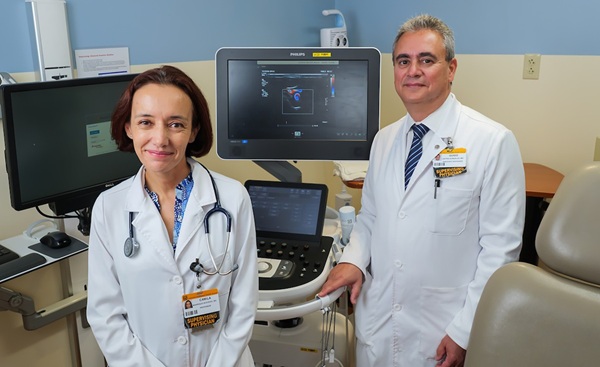
"There is an urgent unmet need for effective therapeutic options for this devastating disease," said senior author Dr. Ronald G. Victor, professor of cardiology at Cedars-Sinai Heart Institute. "If we can improve blood flow in muscular dystrophy patients, we may be able to preserve some muscle function over a longer period of time."
The authors stressed that they did not expect these novel nitric oxide-donating compounds to cure DMD, but did hope that the improved blood flow that they induced could reduce muscle fatigue and injury, allowing patients to be more active while slowing down the loss of vital muscle tissue.
Related Links:
Cedars-Sinai Heart Institute




Platinum Member

Automated Coagulation Analyzer
Hemolumi H6
Gold Member

NEW PRODUCT : SILICONE WASHING MACHINE TRAY COVER WITH VICOLAB SILICONE NET VICOLAB®
REGISTRED 682.9
HPV Test
Allplex HPV28 Detection

Automatic CLIA Analyzer
Shine i6000