Antifungal Drug Functions as Vascular Disrupting Agent to Block Tumor Growth
By LabMedica International staff writers
Posted on 30 Aug 2012
Genes that maintain cell walls in yeast have been repurposed in vertebrates to regulate vein and artery growth, and antifungal drugs that target these yeast genes show promise as anticancer agents by interfering with the development of new blood vessels required by growing tumors.Posted on 30 Aug 2012
Investigators at the University of Texas (Austin, USA) had previously shown that a group of genes responsible for cell wall maintenance in yeast were involved in blood vessel development in mammals. They reasoned that drugs that control yeast growth might prove effective in situations – such as tumor growth – that call for chemical action to block development of new blood vessels.
They reported in the August 21, 2012, online edition of the journal PLOS Biology that the orally administered fungicidal and parasiticidal drug thiabendazole (4-(1H-1,3-benzodiazol-2-yl)-1,3-thiazole) was a potent angiogenesis inhibitor in animal models and in cultured human cells.
In vivo time-lapse imaging revealed that thiabendazole reversibly disassembled newly established blood vessels, marking it as vascular disrupting agent (VDA) and thus as a potential complementary therapeutic for use in combination with current antiangiogenic therapies. Furthermore, thiabendazole slowed tumor growth and decreased vascular density in human tumors grafted into mice.
"We reasoned that by analyzing this particular set of genes, we might be able to identify drugs that target the yeast pathway that also act as angiogenesis inhibitors suitable for chemotherapy," said senior author Dr. Edward Marcotte, professor of chemistry at the University of Texas. "This is very exciting to us, because in a way we stumbled into discovering the first human-approved vascular disrupting agent. Our research suggests that thiabendazole could probably be used clinically in combination with other chemotherapies. We hope the clinical trials will be easier because it is already approved by the FDA for human use."
Related Links:
University of Texas




Platinum Member

Automated Coagulation Analyzer
Hemolumi H6
Gold Member

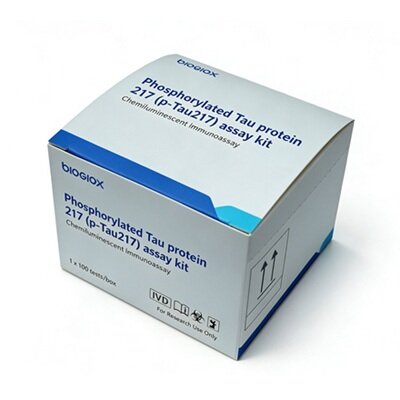
Blood-Based Protein Biomarker Solution for Alzheimer's Disease
BG-DTi2000.
Gold Member

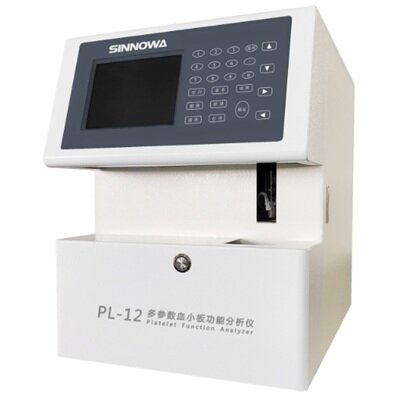
Platelet Function Analyzer
PL-12
Gold Member

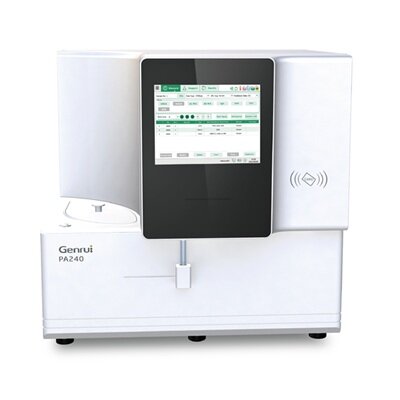
Fully-auto Specific Protein (Nephelometry) Analyzer
PA240