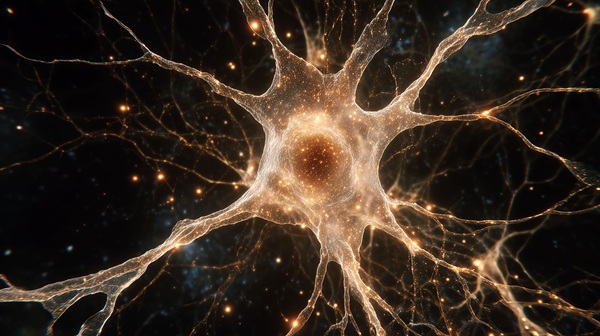
Understanding Tumor Cell Metabolism Key to Personalized Chemotherapy
By LabMedica International staff writers
Posted on 04 May 2011
Cancer researchers have coined the term "Metabolo-Genomics” to define a new approach to personalized cancer medicine, which incorporates features of both cell metabolism and gene transcriptional profiling.Posted on 04 May 2011
Investigators at Thomas Jefferson University (Philadelphia, PA, USA) used this approach to study the effect of cancer cell metabolism on clinical outcome. They had previously shown that lactate and ketone utilization in cancer cells promoted the formation of a "cancer stem cell” phenotype, resulting in significant decreases in patient survival.
In the current study, human breast cancer cells (MCF7) were cultured with lactate or ketones, and then subjected to transcriptional analysis (exon-array). Results published in the April 15, 2011, online edition of the journal Cell Cycle revealed that treatment with these high-energy metabolites increased the transcriptional expression of gene profiles normally associated with "stemness,” including genes upregulated in embryonic stem (ES) cells. Similarly, the results showed that lactate and ketones promoted the growth of bonafide ES cells, providing functional validation. The lactate- and ketone-induced "gene signatures” were able to predict poor clinical outcome (including recurrence and metastasis) in a cohort of human breast cancer patients.
"Tumors that are using the body's own nutrients (lactate and ketones) as "fuel” have a poorer outcome for patient survival, a behavior that now can be used to predict if a patient is at a high-risk for recurrence or metastasis,” said senior author Dr. Michael P. Lisanti, professor of cancer biology at Thomas Jefferson University. "This is getting to the heart of personalized cancer medicine. Now, we have identified a panel of biomarkers that directly links cancer metabolism with targeted cancer therapy.”
"Just by feeding cancer cells a particular energy-rich diet, it changes their character, without introducing mutations or altering their genetic profile,” Dr. Lisanti said. "We have only fed them high energy nutrients that help them to use their mitochondria, and this changes their transcriptional profile. It is a new biomarker for "lethal” cancers that we can now treat with the right drugs, such as the antioxidant metformin.”
Related Links:
Thomas Jefferson University




Platinum Member

Automated Coagulation Analyzer
Hemolumi H6
Gold Member

Electrolyte Analyzer
CBS-4000 (CBS-400)
Platinum Member
Integrated Biochemical & Immunological System
Biolumi CX Solution X10+C10

Immunofluorescence Analyzer
IFA System