Vegetable-Based Enzyme Replaces Trypsin for Dissociation of Adherent Cell Cultures
By LabMedica International staff writers
Posted on 12 May 2010
Biotech researchers working with cell cultures will be interested in a new vegetable-based enzyme that was developed to replace trypsin for the dissociation of adherent cells without risk of contamination from either animal or human viruses or bacteria.Posted on 12 May 2010
The vegetable enzyme is a component of the "SplitKits” cell dissociation system, which is now being manufactured and marketed by Sera Laboratories International Ltd. (Haywards Heath, United Kingdom).
"SplitKits” are available in three different formats, each being optimized for use with specific cell types: SplitKit Strong, for strongly adherent and bioreactor-cultured cells; SplitKit Moderate for moderately adherent cells; and SplitKit Mild for mildly adherent cells. Each format may be used with both serum-based and serum-free cultures. SplitKits may be stored under refrigeration and used at room temperature.
Studies conducted by independent research and biopharmaceutical laboratories have shown that SplitKits induce dissociation faster than trypsin. Greater control of the dissociation process produces homogeneous cell suspensions with minimal batch-to-batch variation. The SplitKits vegetable-based enzyme produces higher cell yields and better cell growth recovery following detachment than trypsin does. In addition, surface epitopes and cell membranes remain unaltered and fully functional, so that the cells are better suited for all downstream research activities.
"Drawing on 30 years of experience in cell culture, we have developed SplitKits to offer a significantly improved alternative to trypsin for either serum-based or serum-free protocols,” said Jenny Murray, managing director of Sera Laboratories International Ltd. "For use in both laboratory cell culture and biopharmaceutical manufacturing, the increasing regulation of the use of animal-based components in the biopharmaceutical manufacturing environment means that SplitKits also offer the industry a potentially safer, more compliant system for cell culture.”
Related Links:
Sera Laboratories International Ltd.




Platinum Member

Automated Coagulation Analyzer
Hemolumi H6
Gold Member

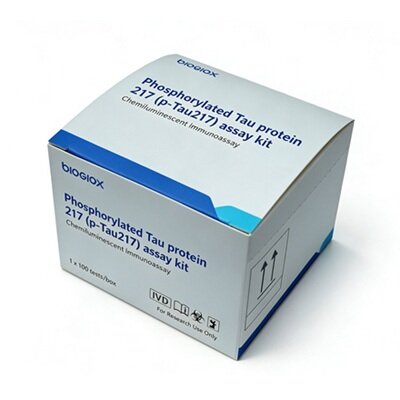
Blood-Based Protein Biomarker Solution for Alzheimer's Disease
BG-DTi2000.

Automated Urinalysis Solution
UN-9000

Manual Pipetting Aid
Pipette Controllers macro