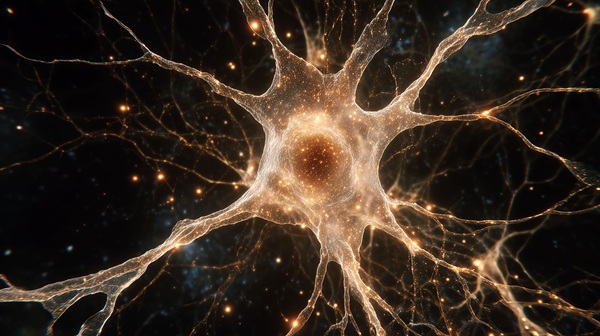
Tumor Suppressor Gene Regulates Multiple Signaling Pathways
By LabMedica International staff writers
Posted on 18 Jan 2010
Cancer researchers have identified a possible chemotherapeutic target, the PKR (RNA-dependent protein kinase) protein whose activity is regulated by the tumor-suppressing gene PTEN (phosphatase and tensin homolog).Posted on 18 Jan 2010
Investigators at McGill University (Montreal, Canada) had shown almost 10 years ago that PTEN suppressed cancer in humans by inhibiting the phosphoinositide-3 kinase (PI3K) pathway. Mutated or deleted PTEN is characteristic of a variety of human cancers.
In the current study published in the December 22, 2009, issue of the journal Science Signaling the investigators reported that PTEN also regulates PKR, an inhibitor of protein synthesis. They showed that in cells where PTEN was mutated or absent, PKR lost its inhibitory activity, and protein synthesis proceeded without control.
"This leads to high proliferation of cells with a survival advantage over normal cells," explained senior author Dr. Antonis E. Koromilas, professor of oncology at McGill University. "That is a condition that facilitates tumor development. That is why this discovery has such tremendous implications. If we start to understand how these mutants of PTEN function, we should be able to design drugs that can activate PKR, essentially switch on its protein synthesis inhibitory function."
"We also have learned from our work that DNA damage can actually activate the PKR pathway, and some chemotherapy treatments are known to damage DNA," said Dr. Koromilas. "So you have the option to design drugs that are specific to PKR, or you can use drugs that have a more general effect and activate this pathway almost as a side-effect."
Related Links:
McGill University




Platinum Member

Automated Coagulation Analyzer
Hemolumi H6
Gold Member

Electrolyte Analyzer
CBS-4000 (CBS-400)

Hematology Consumables
Bioblood Devices
New

Alzheimer's Disease Biomarker Assay
Elecsys Phospho-Tau (217P) Plasma