Polyphosphates May Be the Key to Preventing Thrombosis
By LabMedica International staff writers
Posted on 22 Dec 2009
Researchers have demonstrated that an inorganic polymer, polyphosphate, plays a key role in both inflammation and the formation of blood clots.Posted on 22 Dec 2009
Polyphosphates are produced and released by platelets (thrombocytes). They play a key role in blood coagulation, as they activate factor XII, which is essential for blood clot formation. Furthermore, platelet-derived polyphosphates activate a variety of inflammatory substances that contribute to leakage from the blood vessels, which is a characteristic feature of inflammation.
Investigators at the University of Leeds (United Kingdom) and collaborators from several European countries and the United States reported in the December 11, 2009, issue of the journal Cell that activated platelets released inorganic polyphosphate (polyP), a polymer of 60–100 phosphate residues that directly bound to and activated the plasma protease factor XII. Blood clots initiated by polyP formed inside blood vessels (causing thrombosis), but not on the surface of the skin. For this reason the investigators postulate that intervention to prevent polyP formation or factor XII activation could prevent thrombosis without interfering with the healing of wounds.
"Our work suggests polyphosphate or factor XII could be potential new targets, as neither seems to affect our ability to heal naturally, so drugs based on these molecules could offer a major improvement on existing treatments," said contributing author Dr. Nicola Mutch, an independent research fellow at the University of Leeds. "The challenge in designing treatments to reduce thrombosis is getting the balance right. We need to find an appropriate drug level or target which causes enough anticoagulation to prevent risk of heart attack or stroke but with minimal bleeding side effects."
Related Links:
University of Leeds




Platinum Member

Automated Coagulation Analyzer
Hemolumi H6
Gold Member

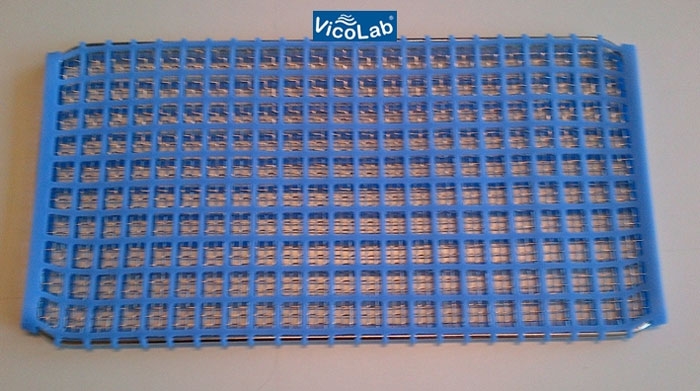
NEW PRODUCT : SILICONE WASHING MACHINE TRAY COVER WITH VICOLAB SILICONE NET VICOLAB®
REGISTRED 682.9
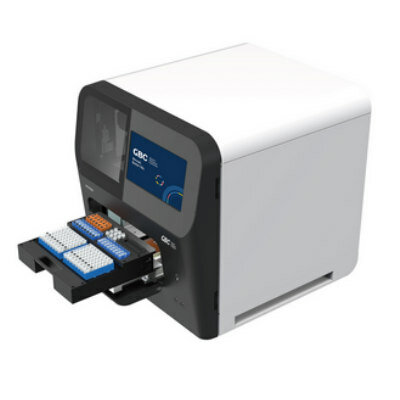

All-in-One Molecular System
AIO M160
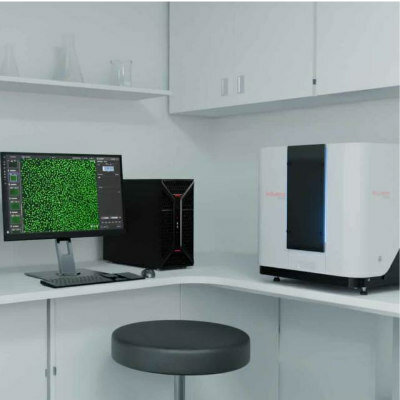

Immunofluorescence Analyzer
IFA System